Explainer

RSS Feed
A male dentist consulting a female patient at a modern dental clinic reception

In a 392-patient dental clinic trial, adults waiting near fish rated the room more favorably, but the aquarium did not measurably lower anxiety, mood scores, blood pressure, or heart rate before treatment

Three hundred ninety-two adults sat through a real-world test of a familiar idea in healthcare design: if people watch fish before a stressful appointment, will they actually feel calmer? The answer from this study was mixed. Patients in a Zurich dental clinic did seem to like the room with fish better, yet the main measures…
More

More in Explainer

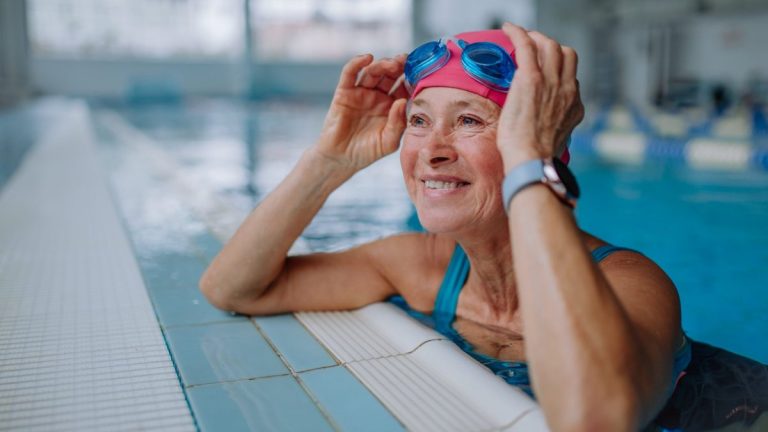
Older swimmer wearing goggles at a pool

Twenty-one older adults made 111 percent more listening errors on land than in chest-deep water, while immersion also doubled one balance-complexity measure and pushed sway area and velocity in the same direction, showing how a pool can lighten vigilance demands even as upright control becomes more challenging

Twenty-one healthy older adults in their early seventies showed a striking split between mind and posture when researchers compared the same tasks on land and in chest-deep water. The group made far fewer errors on an auditory vigilance task in the pool, yet their standing-balance measures moved in the opposite direction, with water placing extra…

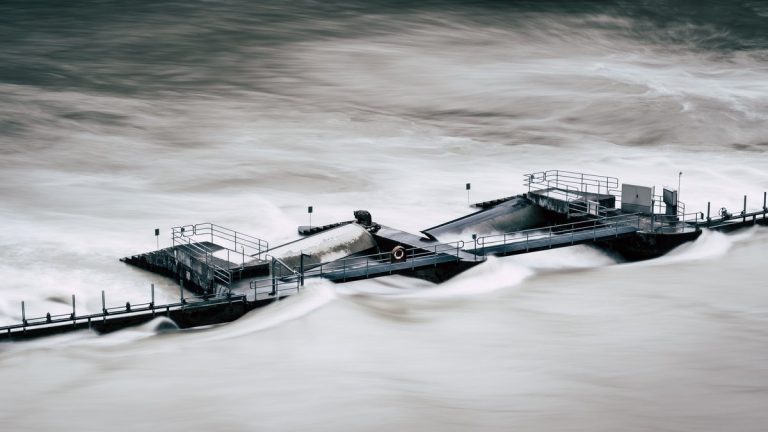
An aerial view of a structure overwhelmed by a river flood in Bern, Switzerland

Seventy-six volunteers stood through six moving-water tests and the people with more storm experience judged the current more accurately while deeper, faster water still pushed risk upward around their bodies

Seventy-six young adults stepped into a water flume, faced six combinations of depth and speed and then had to answer two simple questions: how fast is this water moving and how dangerous does it feel? The study found that most people overestimated water speed, especially as the current got faster or deeper. It also found…

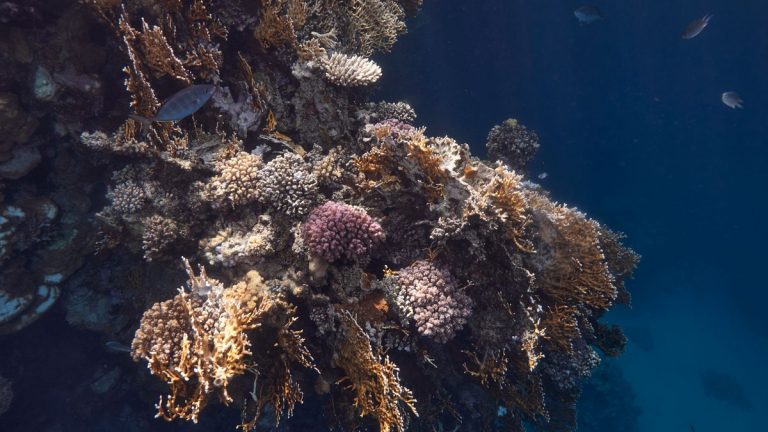
Explore the colorful coral reef underwater in Marsa Alam, Egypt's Red Sea

A 3-minute Red Sea dive in virtual reality lifted positive mood after 107 university participants watched a real house fire, while their memory scores stayed close to the same across VR, reading and seated control groups

107 participants at a Texas university watched a real three-minute video of a severe house fire, then took different short follow-up experiences. One group sat quietly, one read a short paragraph about the Red Sea and one watched a 360-degree VR video of a Red Sea dive. When researchers checked what changed next, the clearest…