A clean shore can feel like a reset button, yet this study found that the feeling is fragile. When researchers added small amounts of debris to beach photographs, viewers rated the scenes as less pleasant, less calming and less likely to help them recover from stress. The harshest reactions came when the trash looked as if it had been left by other visitors.
The evidence comes from an Environment and Behavior paper by Kayleigh J. Wyles, Sabine Pahl, Katrina Thomas and Richard C. Thompson. Across three studies, 138 participants judged coastal images that varied by tide level and by debris type. The team used edited photographs rather than field visits, which let them compare scenes in a controlled way while changing only a few visible elements.
The result points to a human story as much as an environmental one. People did not simply react to objects on the sand. They also reacted to what those objects seemed to say about the people who put them there, whether the beach still felt separate from city stress and whether the coast still looked like a place where someone could relax and feel restored.
How the researchers tested a small mess
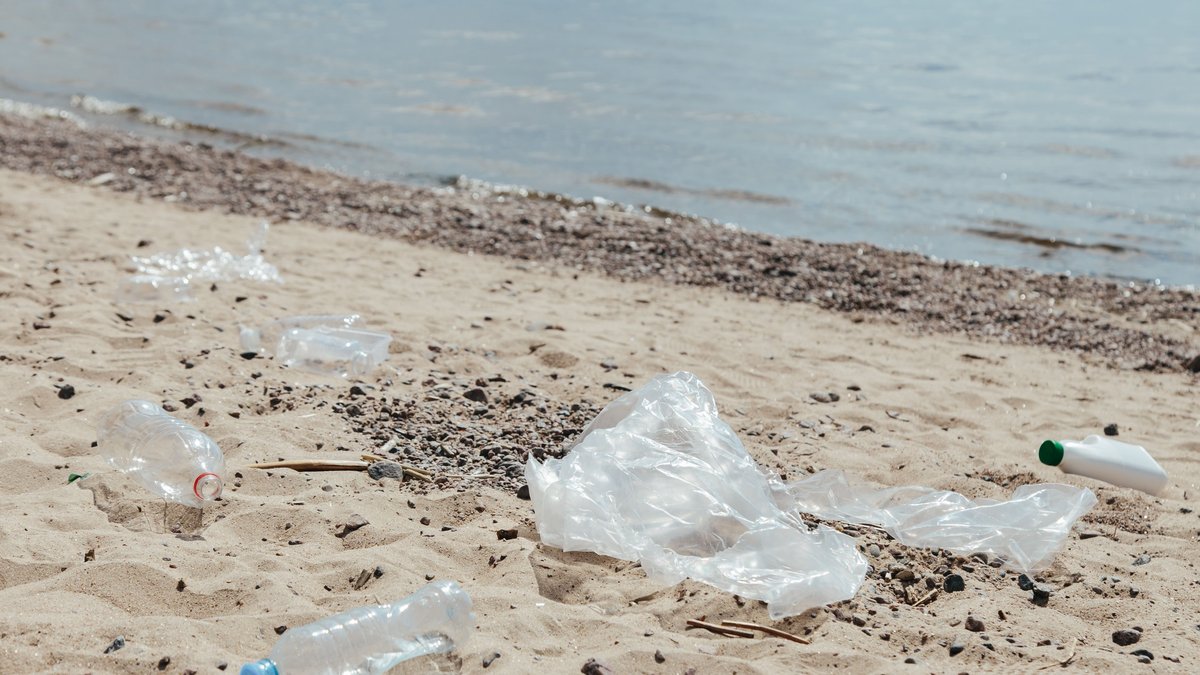
The study used a straightforward design with a strong behavioral focus. In Study 1, participants compared clean and littered coastal scenes at both high tide and low tide. In Studies 2 and 3, the team moved from a simple clean-versus-litter contrast to four conditions: clean beach, seaweed, fishing-related debris and public litter such as bottles, cans and snack wrappers.
Those later studies are where the psychology becomes especially concrete. Rather than asking only whether a beach looked acceptable, the researchers asked about mood, preference and restoration likelihood. They also drew on attention restoration theory, which asks whether a place helps people feel away from daily pressure, holds attention effortlessly, offers enough richness to explore and fits what a person wants to do there.
Earlier blue-space research also found that coastal settings can rate highly for preference, affect and restorativeness. The article and the related release describe only a small amount of added debris and Sabine Pahl said the scenes used “only a small quantity of litter” and covered less than 10% of the beach. Even with that limited visual change, the ratings moved in a clear direction.
Why public litter felt worse than fishing gear
The most revealing part of the paper is that viewers did not react equally to every kind of debris. Seaweed usually stayed close to the clean condition in its ratings, which suggests that natural wrack does not break the beach experience in the same way. Fishing-litter lowered scores, but public-litter lowered them more.
Qualitative comments in Study 3 help explain why. Participants often read public litter as a sign of disrespect from other people. Some saw it as evidence that beachgoers had treated the place carelessly. Fishing gear still counted as litter, but it could be interpreted as an accidental by-product of work rather than a direct social insult left behind in a leisure setting.
The press release carried by ScienceDaily captured this point in a short line from Wyles: “the type of litter is important.” That statement fits the paper’s broader pattern. The coast did not lose its restorative value only because foreign objects were present. Ratings dropped further when the objects hinted at avoidable, inconsiderate human behavior.
The category split also matches the way beach litter is tracked outside the experiment. The Marine Conservation Society organizes Beachwatch survey data by material and likely source, which helps separate visitor waste from fishing-related debris and other items that are harder to assign. That kind of classification matters here because the paper was not treating every bottle, rope fragment, or wrapper as emotionally identical. Viewers seemed to make quick judgments about blame, intention and what kind of human activity had spilled into a place they expected to feel natural and removed from routine pressure. The authors’ use of public-litter and fishing-litter conditions gave those judgments a clear target, which is one reason the experiment says something useful about everyday behavior rather than only about visual clutter.
What the beach seems to lose when trash appears
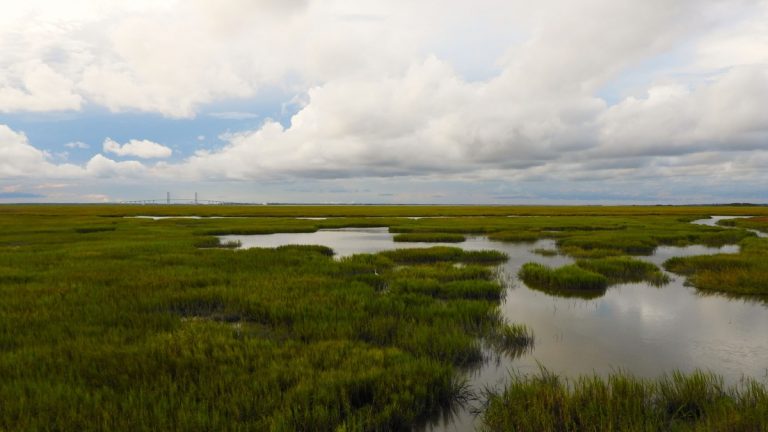
The paper argues that litter interferes with the qualities that make a shore feel restorative in the first place. A clean beach supports a sense of distance from ordinary demands. It offers open space, natural textures and enough visual order for attention to settle. Add litter and attention is pulled toward the disturbance instead of the wider scene.
Low tide also came out better than high tide in Study 1, which matters because it shows the team was not testing litter in isolation from the ordinary look of a coast. The amount of exposed shore changed the ratings too. Still, the debris effect remained strong and the authors concluded that marine litter can undermine the psychological benefits people usually associate with coastal settings.
Another point stands out in Study 2. People who felt more connected to nature rated the clean and seaweed scenes more positively than people with a weaker bond to nature, yet that advantage disappeared once the beach looked littered. In other words, a strong nature connection lifted the best scenes higher, but it did not protect viewers from the negative effect of visible trash.
What the study can tell beach managers and what it cannot
Because the experiments relied on photographs, the study does not claim that every real beach visit will produce the same size of effect. A live shoreline includes sound, smell, weather, movement, memory and company. The authors also note that two of the studies relied heavily on student samples, while the third used a smaller general-public sample. Those limits matter when judging how far the results should travel.
The paper is still stronger than a casual opinion survey because the image sets were systematically edited and then judged on the same scales across conditions. In Study 1, viewers rated preference and perceived restorative quality while the scenes varied by tide and litter presence. In Study 2, the ratings covered preference, mood, arousal and restoration likelihood across clean, seaweed, fishing-litter and public-litter scenes. Study 3 then asked people to justify similar ratings in their own words, which helped show why one kind of debris felt more intrusive than another. That combination of quantitative scores and qualitative explanations gave the authors more than a simple finding that trash looks bad. It showed which parts of the coastal experience were being disturbed, including calm, visual pleasure and the sense that the beach offered relief from everyday demands.
The source paper also stresses that the manipulated debris covered only a minor part of each image and was not pushed aggressively at the participants. That matters for interpreting the result. The study was closer to an ordinary spoiled beach scene than to an extreme disaster image after a storm surge or a heavy wash-up event. Even under those restrained conditions, the negative pattern stayed consistent. The practical implication is that managers do not need catastrophic levels of waste before visitor experience begins to slide. Small, repeated signs of neglect can already weaken the mental value that people seek from a coast, especially when the mess reads as casual public litter rather than natural material or work gear.
Even so, the work has practical weight. The University of Plymouth research record links the article to a longer effort to connect marine science with human well-being. For local authorities, conservation groups and tourism planners, the message is simple: cleaning a beach is not only about wildlife, cost, or visual neatness. It also protects a form of mental value that visitors expect from the shore.
Richard Thompson put the wider stakes plainly in the release: “Marine litter is a global environmental problem.” The study adds a precise social consequence to that larger fact. Trash on the coast can change how people feel, what they think other people have done and whether the beach still seems able to offer relief from everyday pressure. That makes litter a problem of ecology, public behavior and human experience at the same time.