Explainer

RSS Feed
Astronaut rehabilitation exercise

Two astronauts were followed for four years after long missions, and one recovered lost leg-bone structure while the other retained hidden damage

Astronaut bones continued rebuilding for years after two crew members returned from the International Space Station, yet their recoveries followed very different paths. One person regained all measured aspects of bone density and structure within four years. The other retained damage inside the spongy framework of the lower leg, even as thicker outer bone helped…

More

More in Explainer

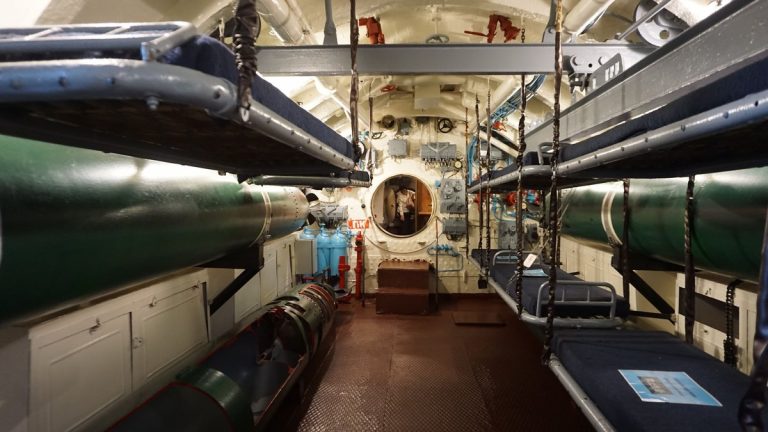
View of a submarine's bunk room with torpedo tubes and metal bunks

Six men spent 520 days inside a simulated Mars mission and slowly rated unpleasant images more positively as shifting moods and hormones revealed a difficult third quarter

Six men living inside a sealed Mars simulator slowly changed how they judged disturbing pictures. As the 520-day experiment continued, novel images of accidents, illness and other unpleasant scenes received more positive ratings. Changes in mood and blood hormones followed their own stages, with some of the strongest signs appearing late in the mission. The…

From above of clear turquoise water with sharp border with water with algal bloom near sandy coastline in sunny day

One hundred seventy-two students viewed identical lake photographs with clean water or harmful algal blooms and although they felt disgust worry and panic their cortisol did not rise

Images of polluted lakes failed to produce a measurable rise in the stress hormone cortisol among environmentally aware university students. Participants clearly recognized the danger and expressed disgust, worry, or panic, yet their saliva samples showed no significant physical stress response. The experiment examined harmful algal blooms, often called HABs, which can spread across lakes…

Competitive swimmer wearing goggles after training

Nineteen elite swimmers received 10 sessions of dual-site brain stimulation across 25 days and finished with faster reactions stronger mental toughness and better 100-meter performances

Ten sessions of mild electrical brain stimulation helped a small group of elite male swimmers improve their 100-meter freestyle times. The swimmers also responded faster during reaction tests and reported feeling fatigue later in the race. The findings come from a study published in Scientific Reports on December 17, 2025. Researchers followed 19 swimmers during…