Explainer

RSS Feed
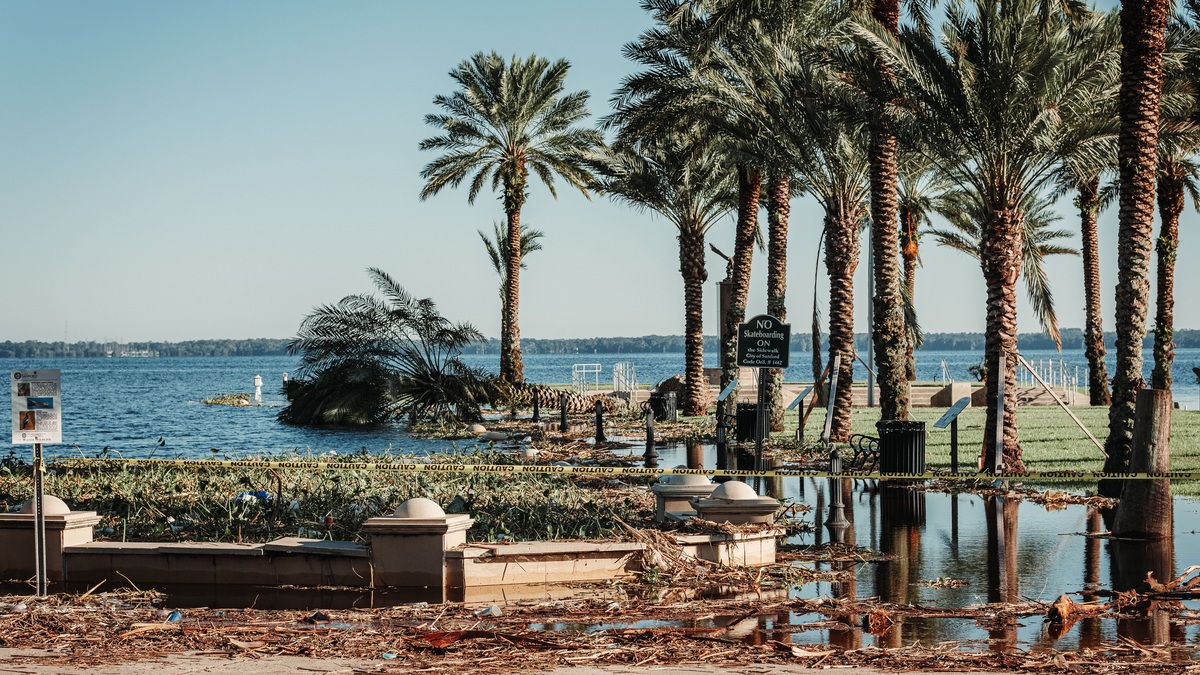
Flooded coastal area with palm trees and an occluded path post-storm damage in Florida

Storm Surge vs. Storm Tide: What Is the Difference?

Storm surge is the abnormal rise of seawater produced by a storm above the predicted astronomical tide. Storm tide is the total water level resulting from the combination of storm surge and the astronomical tide. Waves can rise above both measurements and drive water farther inland. The distinction separates the storm’s contribution from the water…
More

More in Explainer

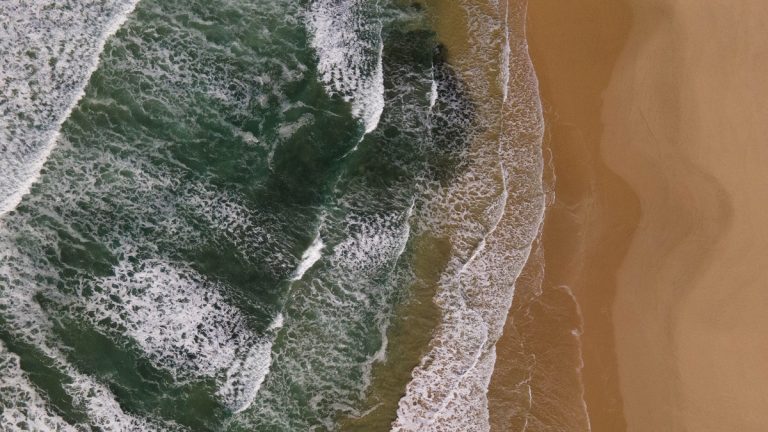
Waves_approaching_a_beach_at_an_angle

Longshore Current vs. Longshore Drift

A longshore current is water moving roughly parallel to the beach within the surf zone. Longshore drift is the resulting transport of sand or other sediment along the coast. Waves approaching at an angle drive both, but the terms describe different things: one is moving water and the other is sediment movement. The process can…

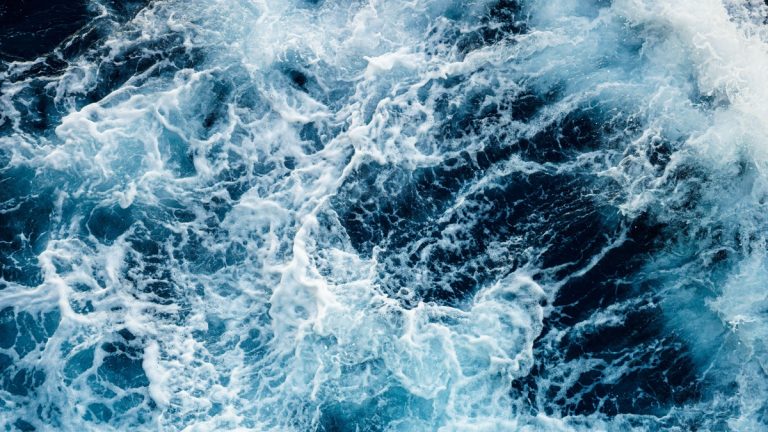
Swirling_ocean_water_and_surface_current

Tide vs. Current: What Is the Difference?

A tide is the long-period rise and fall of ocean water produced mainly by the gravity of the Moon and Sun. A current is horizontal water movement from one place to another. Tides can generate currents, but wind, water-density differences and the shape of coasts also drive currents. The distinction separates water level from water…

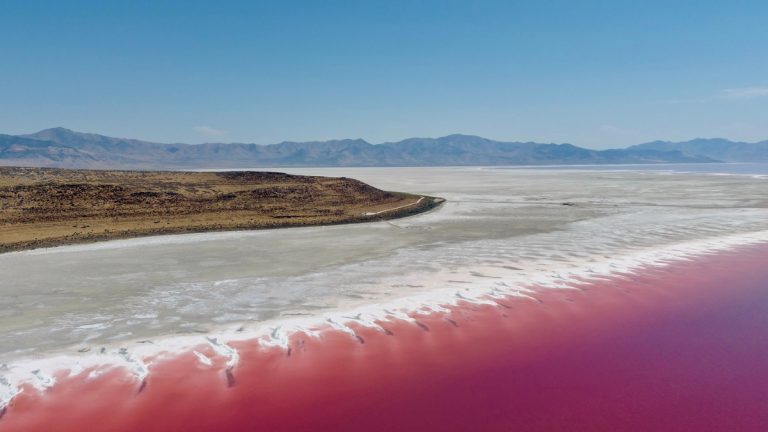
Terminal_salt_lake_in_a_closed_basin

What Is an Endorheic Basin?

An endorheic basin is a drainage basin with no surface-water outlet to the ocean. Rivers and runoff flow toward an interior low point, where water collects in a lake, wetland or salt flat. Water leaves mainly through evaporation or seepage into the ground rather than through a river crossing the basin boundary. Endorheic basins are…