Explainer

RSS Feed
Aerial view of four children joyfully swimming in clear blue water on a sunny day

A survey of nearly 1,800 teenagers found better water-safety knowledge went with less risky swimming, but students who felt highly capable in the water and scored high in sensation seeking were still the ones most likely to take chances

Nearly 1,800 junior high school students in central China took part in a survey that asked how much they knew about staying safe in the water, how strongly they chased excitement, how confident they felt about their swimming and how often they accepted risky situations in the pool or open water. In the final statistical…


More

More in Explainer

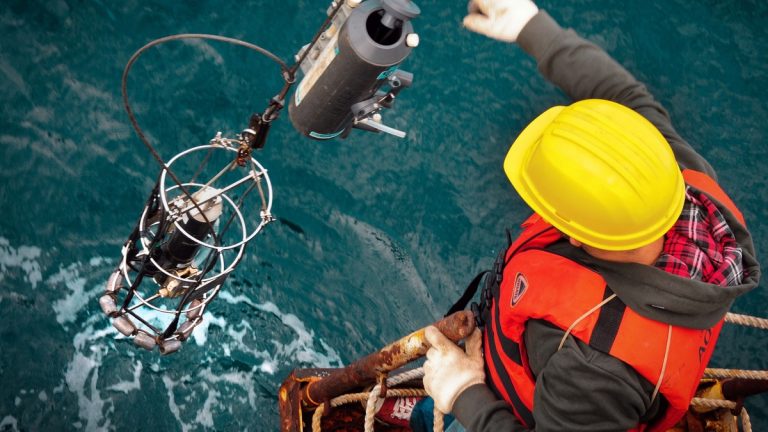
Worker in hard hat and life vest operates machinery on an offshore platform above ocean waters

How Do Scientists Measure Ocean Currents?

Scientists measure ocean currents with mechanical and electronic current meters, drifting buoys, ship surveys, moorings, satellites and autonomous vehicles. One of the most versatile tools is the acoustic Doppler current profiler, or ADCP, which uses sound to measure water velocity at many depths at once. No single instrument captures every current. A mooring records change…

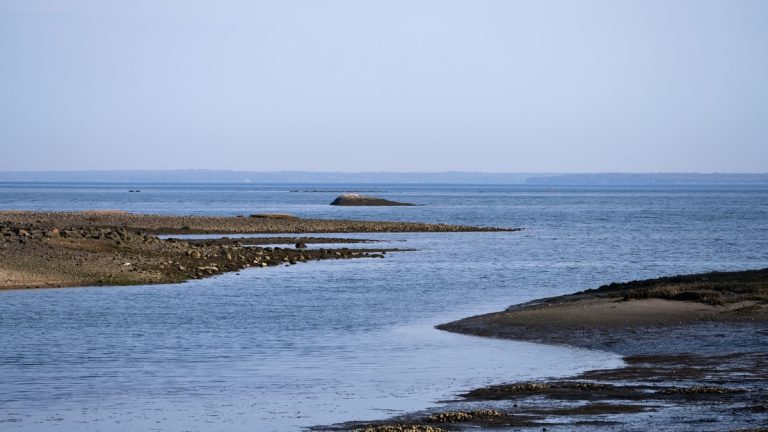
Tranquil coastal shoreline at low tide with calm blue ocean and distant horizon

Tide Table vs. Tide Chart: What Is the Difference?

A tide table lists predicted times and heights of high and low water, while a tide chart usually plots the predicted water level as a curve through time. Both may be generated from the same harmonic prediction. The table favors exact values; the chart makes the day’s changing pattern easier to see. Neither product should…

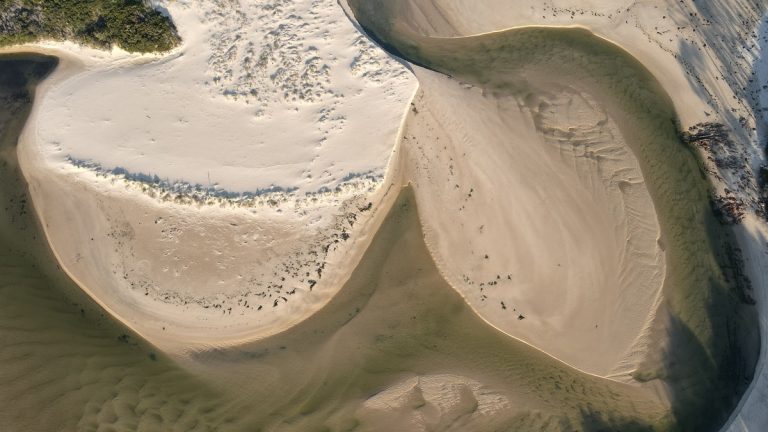
Drone aerial shot capturing unique patterns of sand and water at a coastal area in Victoria, Australia

Ebb, Flood and Slack Water: How Tidal Currents Change

Flood current moves water toward shore or up an estuary, ebb current moves it away from shore or down an estuary and slack water is the interval around a current reversal when speed is near zero. These phases describe horizontal tidal motion, not the vertical height of the tide. Many coasts pass through flood, slack…