Explainer

RSS Feed
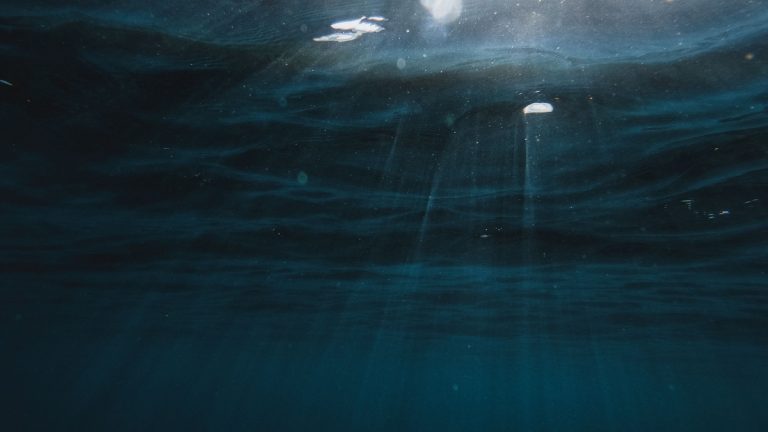
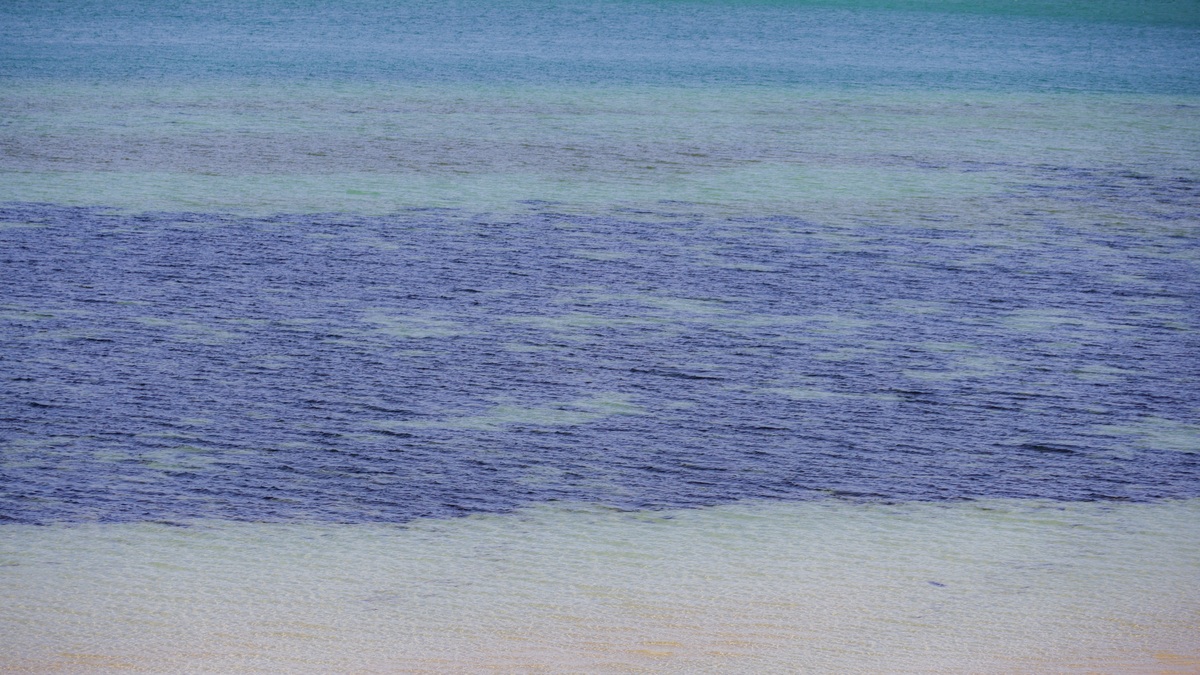
A tranquil view of ocean water with layered blue hues creating a calming texture

What are salt fingers in the ocean?

Salt fingers are narrow sinking and rising motions that can develop where warm, salty seawater lies above cooler, fresher water. The overall density arrangement can remain stable, with lighter water over denser water, yet small disturbances grow because heat moves between water parcels much faster than dissolved salt does. Oceanographers call the process double-diffusive instability.…
More

More in Explainer

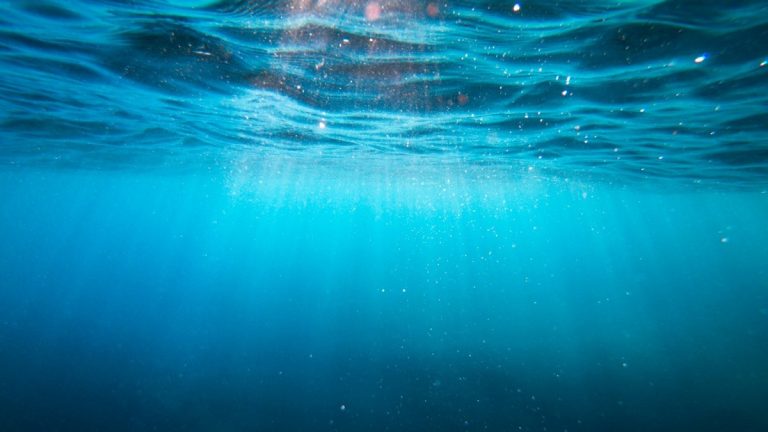
Stratified_light_in_ocean_water

What is ocean stratification?

Ocean stratification is the arrangement of seawater into layers with different densities. Lighter water remains above denser water, reducing vertical mixing between the surface and the deep ocean. Temperature usually creates the strongest contrast across much of the planet, while salinity becomes decisive in rainy, icy or river-influenced regions. Layering is a normal feature of…

Bright_ocean_mixed_layer_below_surface

What is the ocean mixed layer?

The ocean mixed layer is the well-stirred water nearest the surface. Wind, waves and changes in surface temperature continually move water through it, leaving temperature and density relatively uniform from the top down to a measurable boundary called the mixed-layer depth. This upper layer is where the sea meets the atmosphere. Heat enters and leaves…

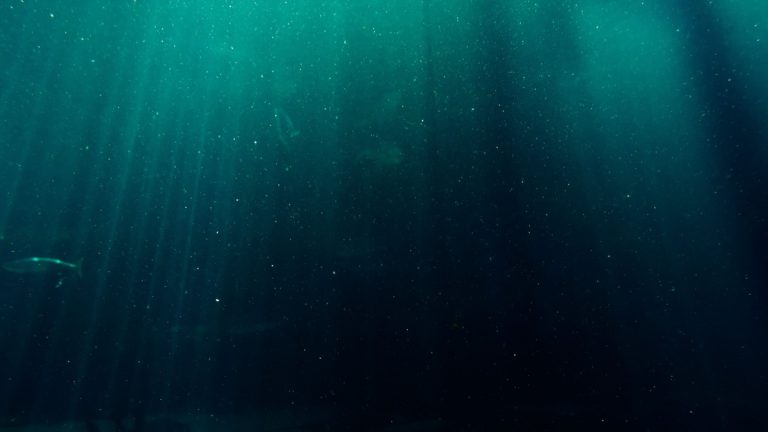
Darkening_ocean_water_below_the_surface

What is a pycnocline?

A pycnocline is an ocean layer where density increases rapidly with depth. Lighter water sits above it and denser water lies below, so the layer acts as a transition between parts of the ocean that do not mix easily. The name comes from Greek roots for density and slope. Ocean density depends mainly on temperature…