Clear water in a dehumidifier bucket can look surprisingly pure. Yet the safe answer is simple: do not drink dehumidifier water. A household dehumidifier is built to control indoor humidity and its collection path is not designed to protect drinking-water quality. The liquid can acquire microbes and other contaminants before it reaches the bucket, then change further while it sits.
McGill University’s Office for Science and Society advises against drinking the condensate. Its explanation helps resolve a common misconception. Water vapor begins with few dissolved minerals. The appliance and the room add new opportunities for contamination. Appearance and smell cannot establish that the water is safe.
How a dehumidifier collects water
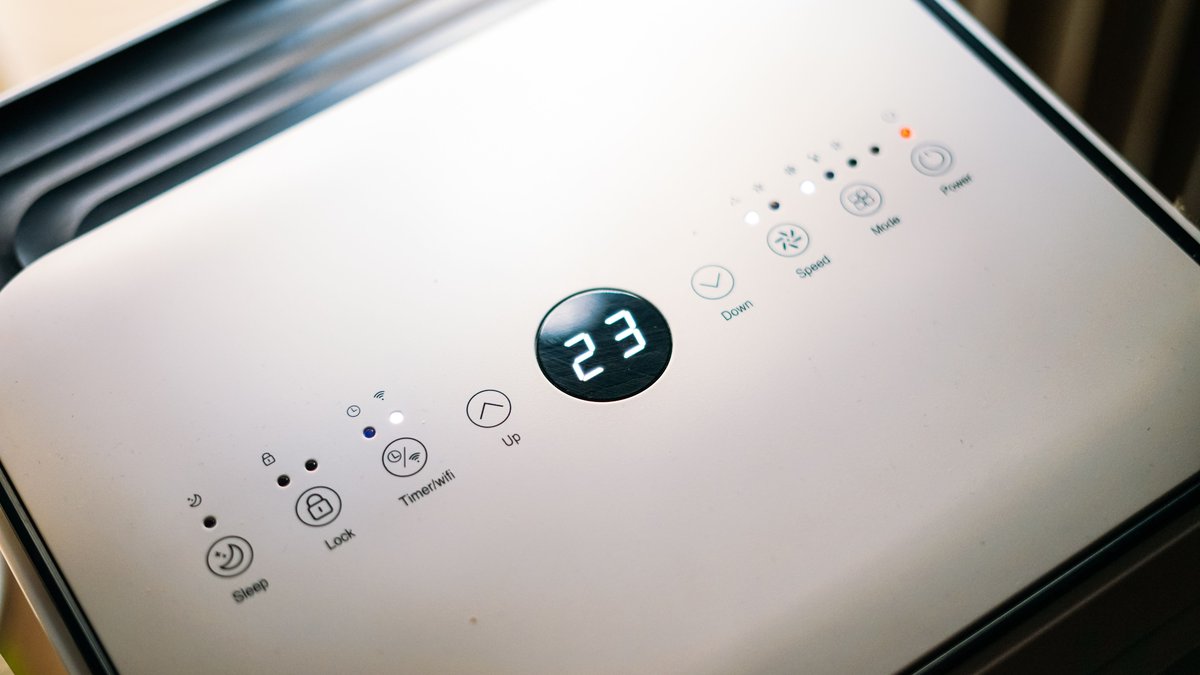
Most portable units use the same basic physical change that makes droplets appear on a cold glass. A fan pulls moist room air across a refrigerated coil. Cooling lowers the amount of water vapor the air can hold, so some vapor condenses into liquid. This process is called condensation. The drops flow into a bucket or leave through a drain hose. The U.S. Department of Energy includes the cold surface, fan and condensate collection system in its technical definition of a consumer dehumidifier.
The process resembles one step of distillation because both involve condensation. Full distillation also includes controlled boiling and collection in equipment intended to keep the product clean. A room dehumidifier pulls untreated indoor air over working machinery. Its coils, fins, drain channel and bucket serve appliance performance rather than food or beverage sanitation. Calling the collected liquid “distilled water” therefore gives it a level of purity that the full collection process does not guarantee.
Dehumidifier water often contains few dissolved minerals at the instant a droplet forms. Low mineral content does not mean potable water, a term reserved for water suitable for human consumption. Drinking-water safety also depends on microbiological and chemical quality. The source must remain protected during collection and storage, which is where a domestic unit has important gaps.
What the water can pick up
Small particles travel through indoor air. They include ordinary household dust and biological material. Airborne compounds may also contact the cold, wet surfaces inside the machine. As thousands of droplets pass across those surfaces, the condensate can wash some material toward the drain. The exact mixture varies with the room, recent cleaning activity, appliance condition and length of operation, so one home’s bucket cannot represent every unit.
Wet internal surfaces can support a microbial biofilm, a thin community of microorganisms attached to a material. Dust trapped on a coil supplies additional material on which microbes can persist. The collection tank creates another opportunity for growth, especially when water remains at room temperature. Regular cleaning benefits appliance hygiene, but it does not convert a consumer dehumidifier into a certified drinking-water system.
Metal components may add trace metals. Plastics present separate chemical questions, as can cleaning residues. Results vary widely by equipment and maintenance. A peer-reviewed regional study assessed heavy metals and microbes in air-conditioning condensate collected in Jeddah, Saudi Arabia. Air conditioners are different appliances and results from one city cannot represent every dehumidifier. The study still illustrates why condensate quality must be measured rather than assumed.
Why home treatment is unreliable
Boiling can inactivate many disease-causing microorganisms when it is done correctly, but heat does not reliably remove dissolved metals or many chemical contaminants. Evaporation during prolonged boiling can even leave nonvolatile substances in a smaller volume of water. A household pitcher filter presents a similar limitation: each filter is designed and tested for particular substances, not for an unknown mix from appliance condensate.
Safe treatment begins with knowing the source water and the hazards that need control. It then uses suitable treatment steps followed by hygienic storage. Verification checks whether the controls work. The World Health Organization describes drinking-water safety as risk management across the whole supply. Treating one possible hazard while leaving others unmeasured cannot demonstrate that a bucket of condensate meets a drinking-water standard.
Clear water offers no shortcut because many microbes and dissolved chemicals are invisible. Smell is also an unreliable screen. Laboratory testing can describe a sample collected at one moment. Conditions may change whenever the machine is cleaned or indoor air quality shifts and storage adds another variable. Using a regulated drinking-water supply is far safer and simpler for ordinary households than designing a treatment process for untested condensate.
How drinking-water machines differ
An atmospheric water generator also extracts moisture from air, sometimes with a refrigeration cycle similar to a dehumidifier. Other designs capture vapor with a moisture-attracting material. The shared condensation physics does not make the appliances interchangeable. A system intended to supply drinking water needs components selected for that purpose, along with treatment and protected storage appropriate to the incoming air and intended use.
A peer-reviewed atmospheric water harvesting analysis made the distinction explicit. Its researchers paired a commercial condensation dehumidifier with a separate point-of-use treatment unit, noting that dehumidifiers lack built-in water treatment. In other words, extracting vapor supplied the raw water. Additional equipment handled the task of making that water potable within the system evaluated by the researchers. Treatment design may use different barriers based on identified hazards. A complete treatment train must operate as tested because removing or bypassing one stage changes the safety claim that applies to the finished water.
Labels and marketing claims deserve close reading. Buyers should look for independent evidence that a complete unit has been evaluated for drinking-water production under relevant standards. Maintenance schedules and replacement parts are part of safe operation because filters become exhausted and stored water can be recontaminated. Sealed storage limits later exposure and the collection path must prevent treated water from contacting dirty coils again. Both safeguards require maintenance throughout the unit’s service life. A drinking-water claim applies to the tested system and its operating conditions, not to a standard basement dehumidifier with an added generic filter.
Safer ways to reuse the condensate
Dehumidifier condensate may conserve tap water when it is treated as a nonpotable water source. The EPA’s laboratory water guide discusses HVAC and dehumidifier condensate for uses that do not require drinking-water quality, such as cooling-tower makeup and irrigation. Large building systems use planned collection infrastructure. Their designs cannot be copied safely by simply connecting a household bucket to plumbing.
Household users should follow the appliance manual and local rules first. Where reuse is permitted, freshly collected water can sometimes be directed to established ornamental plants that people and pets will not eat. Avoid spraying it on leaves or creating a mist that could spread material from the tank. Soil conditions and plant sensitivity vary, so disposal down an approved drain remains the straightforward choice when the water’s origin or cleanliness is uncertain.
Keep the condensate away from drinking glasses, food preparation, pets and aquariums. It is also unsuitable for wound washing or other personal hygiene uses that call for clean water. Pouring it into a humidifier would send material back into indoor air, undermining the goal of safe moisture control. Never connect a reuse line to household drinking-water plumbing because a cross-connection can contaminate the potable supply.
Empty and clean the bucket as the manufacturer directs, even if every batch goes down the drain. Prompt disposal limits the time available for microbes to grow and reduces musty buildup inside the appliance. During a water emergency, guidance from public-health authorities should take priority over improvised treatment. An ordinary dehumidifier can make a damp room more comfortable, but its bucket should remain outside the family’s drinking-water supply.