Water

RSS Feed

Water science news, explainers, and statistics covering freshwater, hydrology, lakes, rivers, groundwater, ice, and Earth’s connected water systems.

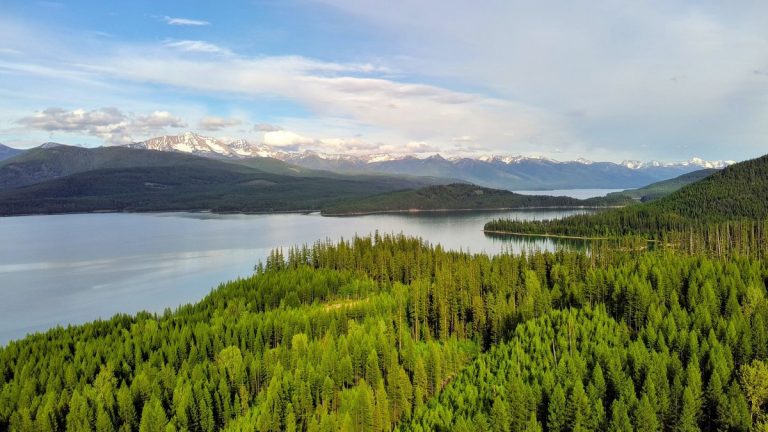
Aerial view of a lake surrounded by green hills in Texas

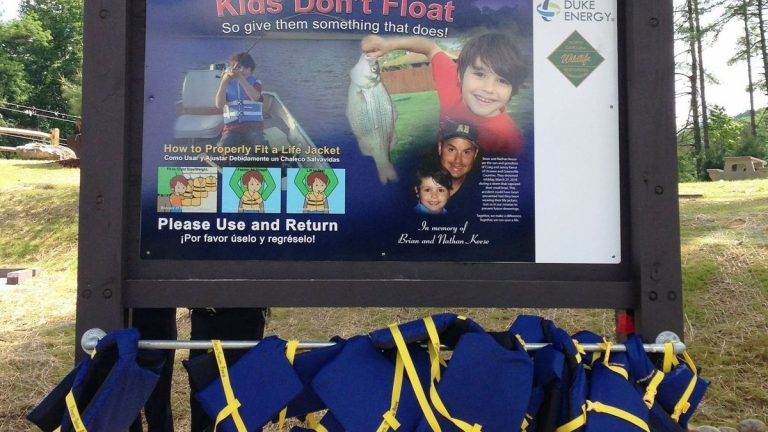
Why Lake Conroe can be dangerous

Risk builds quickly on Lake Conroe when a busy channel meets poor visibility or a fast-moving storm. The reservoir draws boaters along with people who come to fish or swim, yet its size can give visitors more confidence than conditions deserve. A sudden ejection can leave no time to find safety gear. Rising water can…

More

More in Water

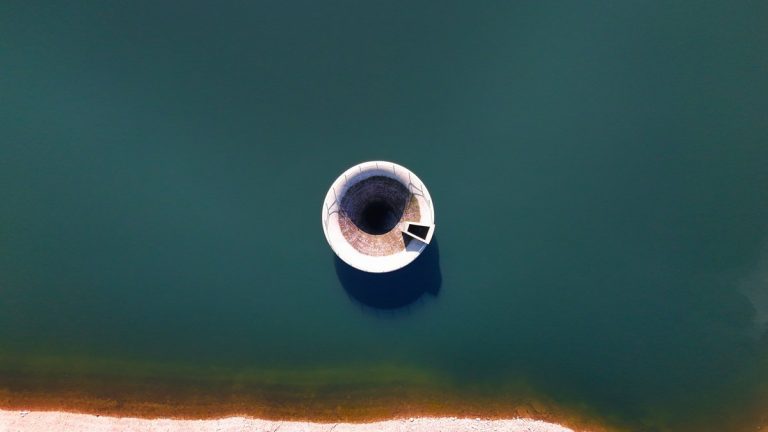
Aerial shot of a circular spillway surrounded by deep green water in a reservoir

How deep is Lake Norman?

Lake Norman is deep enough to hide former river channels between submerged slopes beneath its surface. The simplest answer is that the lake averages about 25 feet deep and reaches more than 110 feet at its deepest point. Those widely cited figures come from Visit Lake Norman, the region’s official visitor organization. A single number…

Water being poured from a pitcher into a drinking glass

Filtered water vs. distilled water: How they differ

A bottle labeled “filtered” can seem interchangeable with one labeled “distilled,” yet the water reached that bottle by a different route. Filtered water passes through material that holds back selected substances. Distilled water is collected after liquid water becomes vapor and then condenses. The two treatments can overlap in what they remove, but neither label…

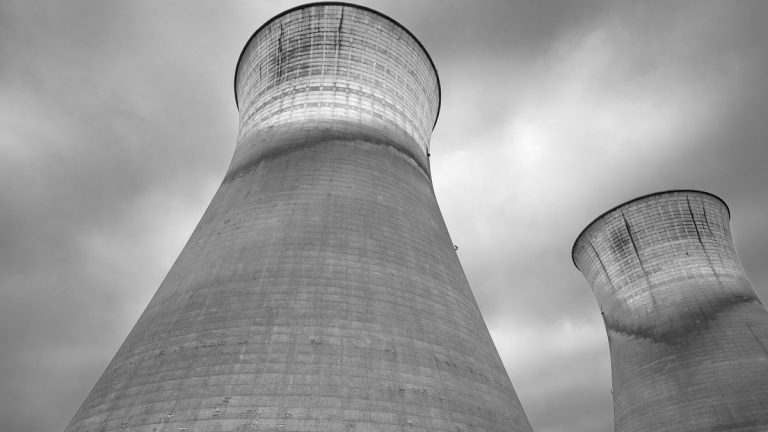
Dirty power station cooling towers

How much water is used to power a lightbulb?

Every hour a light stays on creates a small water demand somewhere in the electricity system. For a 9-watt LED used for three hours, an illustrative U.S. estimate is about 0.4 gallon of water withdrawn at power plants. The same calculation gives 2.7 gallons for a 60-watt incandescent bulb. Both figures use a national thermoelectric…