Nearly one in three special operation divers recorded high anxiety scores in a study of 580 people trained for demanding underwater missions. Divers aged 30 or older had higher average scores, as did those who had spent at least 15 years in the profession.
The findings raise safety questions for teams working in dark water, strong currents and other difficult settings. Anxiety can affect attention, memory and reaction speed underwater. It can also interfere with movement and increase the chance of panic, which researchers have identified as important factors in diving accidents.
Researchers at Naval Medical University examined anxiety alongside age, diving experience and personality. Their peer-reviewed study, published online in BMJ Military Health in August 2024, found clear links among the measured traits, although the research design could not determine what caused the higher scores.
Why anxiety raises diving risks
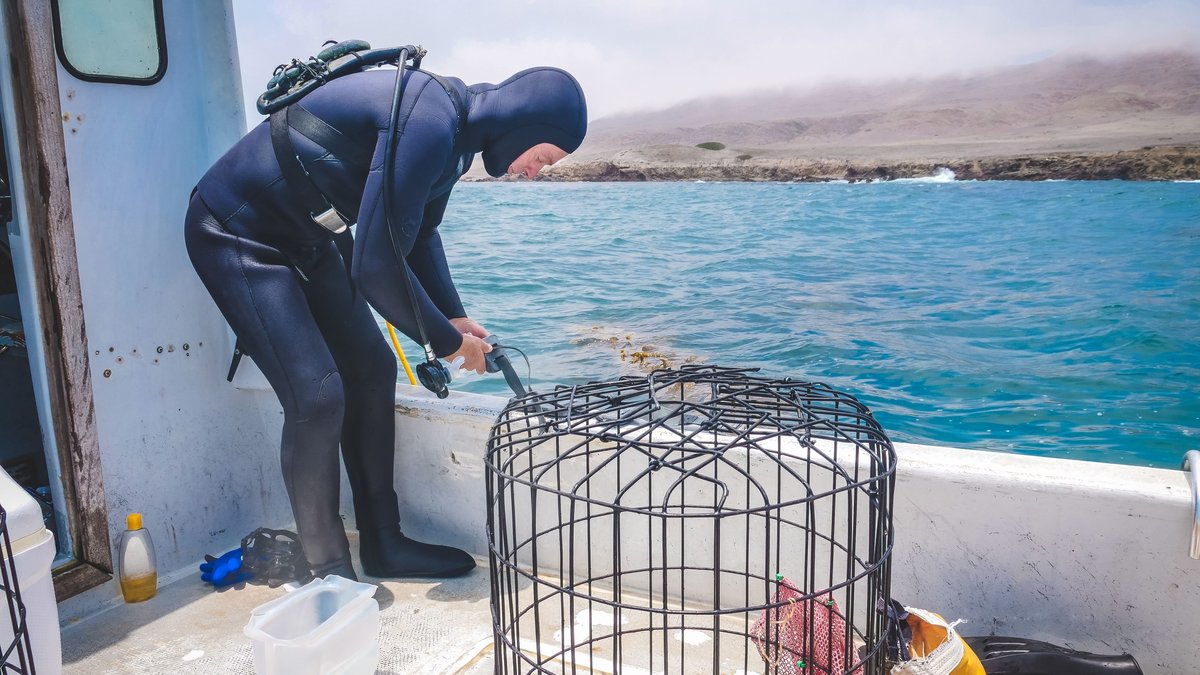
Special operation divers perform work that can include underwater construction, reconnaissance, recovery missions and demolition. Some may support law enforcement or military operations. Their assignments often involve long hours, heavy equipment and conditions that leave little room for error.
Anxiety changes how a person reacts to stress. A diver may become highly alert to a possible danger, such as an equipment problem or an unexpected loss of visibility. As stress rises, attention can narrow, decisions may become slower and movements that are normally automatic can require more effort.
Underwater conditions add pressure because breathing, communication and movement are already restricted. A diver must monitor depth and air supply while following the mission plan. Cold water, fatigue and physical discomfort can add to the mental load. Related military diving research has also examined how depth and breathing gas affect thermal protection during training dives.
Earlier diving performance research explored the relationship between anxiety and how people perform underwater. The BMJ Military Health paper also points to previous evidence linking anxiety with weaker memory, reduced attention and slower reactions during dives. Motor impairment and panic are especially serious because either one can interrupt a diver’s ability to respond safely.
How researchers assessed 580 divers
From July through October 2023, the research team invited 650 special operation divers to join an analytical cross-sectional study. A total of 620 participated and 580 completed the questionnaire. Participants were between 19 and 46 years old, with an average age of about 26.
The divers completed the forms at their workplaces using pen and paper. Researchers provided instructions and told participants that their answers would remain confidential. The study received approval from the Naval Medical Center and every participant gave written consent.
Anxiety was measured with the State-Trait Anxiety Inventory, often shortened to STAI. The inventory separates two related forms of anxiety. State anxiety describes how anxious a person feels at a particular time, while trait anxiety reflects a more lasting tendency to experience anxiety across situations.
Scores below 39 were placed in the low group, while scores of 39 or higher went into the high group. A high result represents elevated symptoms on the questionnaire. A full clinical assessment would require additional information from qualified health professionals.
Personality was assessed with a 60-item questionnaire based on the Big Five personality model. It measured neuroticism and extraversion, along with openness, agreeableness and conscientiousness. Participants rated how accurately each statement described them, allowing researchers to compare personality scores with the two anxiety measures.
Nearly one in three scored high for anxiety
Among the 580 divers, 158 recorded high state anxiety scores. That figure represented 27.2 percent of the study group. High trait anxiety appeared in 176 people, or 30.3 percent.
The paper’s abstract states, “The prevalence of trait anxiety and state anxiety are both relatively high among special operation divers.” The comparison deserves care because research on anxiety in specialized diving populations remains limited and studies may use different groups, questionnaires and score thresholds.
Average scores also provide useful context. State anxiety averaged 32.83 points, while trait anxiety averaged 34.28. Many participants therefore remained below the study’s high-score threshold, even though a substantial minority crossed it.
The researchers described several pressures that could contribute to anxiety in this profession. Special operation divers may face critical situations, major job responsibility and fatigue from difficult work. Some may have witnessed accidents or deaths. Concerns about physical injury and future career options can add further strain over time.
Age and long diving careers tracked higher scores
Divers aged 30 or older reported the highest average anxiety in the age comparison. Their average trait anxiety score was 37.43, compared with 33.11 among divers younger than 25. The group between 25 and 29 averaged 33.60.
A similar gap appeared for state anxiety. Divers aged 30 or older averaged 36.15, while both younger groups averaged close to 31.8. The differences were statistically significant, meaning the pattern would be unlikely to appear through random variation alone under the study’s statistical assumptions.
Career length followed a similar pattern. Participants with at least 15 years of diving experience averaged 37.93 for trait anxiety and 36.75 for state anxiety. Both averages were higher than those of divers with shorter careers.
Long-term exposure to demanding work offers several possible explanations. Repeated dives may bring greater physical strain, including ear pressure injuries, muscle pain and other discomfort. Experienced divers may also carry memories of emergencies or accidents. Greater caution among veteran operators could influence how they answered questions about tension and risk.
Age and career length were closely connected in this workforce, which makes their separate influence difficult to untangle. Education showed no significant relationship with either anxiety measure. The results therefore point toward age and accumulated experience as useful markers for further study, rather than direct causes established by the data.
Personality traits showed strong links to anxiety
The clearest personality relationship involved neuroticism, a trait associated with greater emotional sensitivity to stress and negative experiences. Higher neuroticism scores appeared alongside higher state and trait anxiety. The correlation was about 0.67 for both measures, which the researchers described as strong.
Extraversion moved in the opposite direction. Divers with higher extraversion scores tended to report lower anxiety. The correlation was close to minus 0.67, making it nearly as strong as the relationship involving neuroticism.
Conscientiousness also had a strong negative relationship with anxiety. Divers who scored higher for careful planning, organization and dependable behavior tended to have lower state and trait anxiety scores. Openness and agreeableness showed weaker negative relationships, although each association remained statistically significant.
Comparisons between the high- and low-anxiety groups reinforced the correlation results. Divers in the high trait anxiety group averaged about 34.1 for neuroticism, compared with about 26.2 in the low group. Their average extraversion and conscientiousness scores were also lower by roughly eight points.
Personality questionnaires describe broad tendencies rather than fixed predictions about an individual’s behavior. A person with a particular profile may still perform well under pressure, especially with strong training and support. The findings indicate that personality information could help researchers identify patterns across groups, while decisions about individual divers require a wider assessment.
What the study can and cannot establish
A cross-sectional study collects information during one period. It can reveal that two factors appear together, but it cannot establish the direction of cause. Anxiety might influence how divers view their work and personality, while stressful work experiences could influence anxiety scores. Other personal or occupational factors may contribute to both.
The researchers relied on self-report questionnaires, which are practical for studying hundreds of people but depend on honest and accurate answers. Some divers may minimize emotional difficulties because they fear stigma or career consequences. Others may describe temporary stress that is unusually high on the day of testing.
The anxiety inventory also measures symptom levels rather than confirmed anxiety disorders. Normal alertness can be useful in a hazardous environment, especially when it encourages careful checks and quick preparation. Severe or poorly controlled anxiety can interfere with attention and movement, so future work will need to examine where useful caution gives way to impaired performance.
Researchers also need studies that follow divers for years. Long-term records could show whether anxiety changes with repeated missions, injuries or shifts in responsibility. Controlled performance tests could examine whether questionnaire scores predict errors during simulated emergencies or real training dives.
The study included a large group for such a specialized occupation, yet its findings may not apply equally to every military, police or commercial diving unit. Training standards, mission demands and access to mental health services can vary widely. Research across several organizations and countries would provide a broader picture.
Screening and support for special operation divers
The results support regular psychological screening as one part of diver health monitoring. Screening could help medical teams notice rising anxiety before it affects underwater performance. Repeated assessments may be especially useful for divers entering their thirties and for veterans approaching 15 years of service.
Personality tests could add context during selection and training, although the findings do not support excluding people through a single score. A wider review could include clinical interviews, performance under controlled stress and a diver’s history of safe operations. Physical health and current life pressures also belong in the assessment.
Support can continue after selection. Teams may benefit from confidential access to mental health professionals, recovery time after difficult missions and careful reviews following accidents. Training that includes realistic emergency practice can help divers recognize stress responses and follow learned procedures when visibility or equipment conditions change.
Managers can also watch for physical problems that may increase psychological strain. Ear injuries, persistent pain and fatigue can make future dives more stressful. Coordinated medical care can address the physical source while giving the diver space to discuss worry, sleep problems or changes in confidence.
The study gives agencies a reason to examine the emotional demands placed on highly experienced personnel. Special operation divers work in conditions where small delays can have serious consequences. Careful monitoring, early support and further research could protect both the individual diver and the team depending on that person underwater.