Explainer

RSS Feed
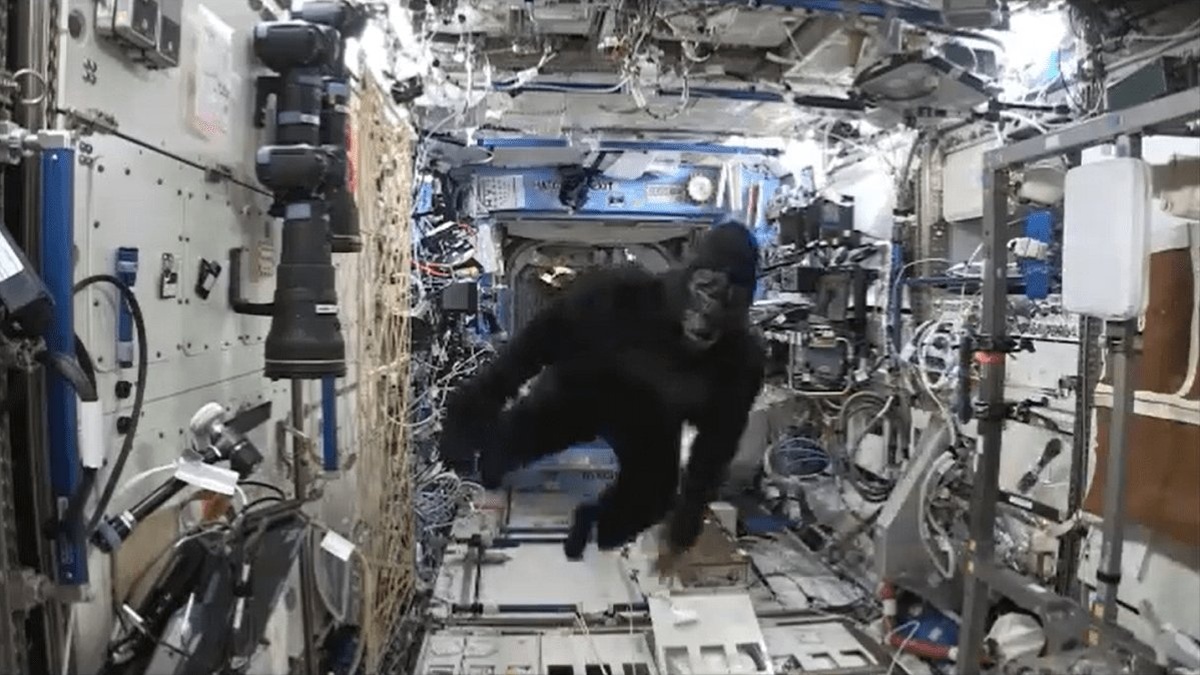
Astronaut working inside space station

Two Axiom-1 astronauts spent 17 days aboard the ISS, reported musculoskeletal pain while living in microgravity, showed altered touch, heat and pain-control responses after landing and then moved back toward baseline three months later as researchers tracked how even a short commercial mission can disturb the way the body senses pain

Two astronauts on Axiom Mission 1 spent just 17 days around Earth, yet the mission still left a measurable mark on how they experienced pain. During the flight both participants reported musculoskeletal discomfort and after landing researchers found changes in several sensory tests that probed touch, heat, repeated pain signals and the body’s own ability…


More

More in Explainer

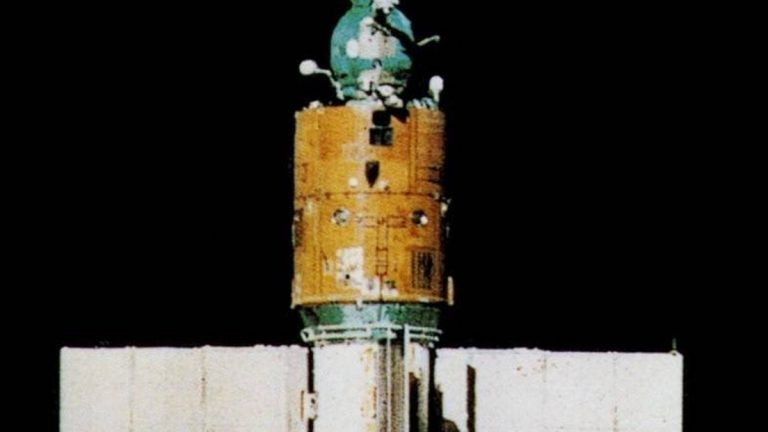
The Soviet Salyut 6 space station in orbit

A 175-day Salyut 6 mission treated boredom and isolation as hazards, using family video links, expert talks, music, mail and protected time alone as an early psychological support system meant to keep two cosmonauts informed, steady and ready for work

Salyut 6 stayed alive for 175 days with only two men on board and Soviet flight planners did not treat boredom or loneliness as minor side effects. They treated them as mission problems that needed their own countermeasures. Alongside exercise, food and work schedules, the station’s support package included family contact, outside voices, entertainment, mail…

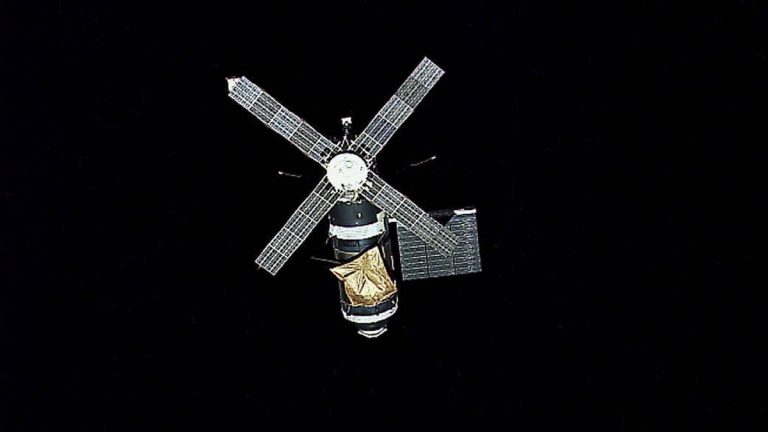
Skylab in Earth orbit after its first crew deployed the parasol sunshade

Three Skylab 4 astronauts fell behind an overloaded 84-day mission plan, but after a 30-minute conference gave them more control over rest and setup time, productivity rose and conflict with Mission Control eased

Three astronauts spent much of late 1973 trying to keep up with a timeline that had grown faster than their ability to absorb it. During the first half of Skylab 4, Gerald P. Carr, Edward G. Gibson and William R. Pogue were expected to handle an 84-day mission, new medical work, added exercise, observations of…

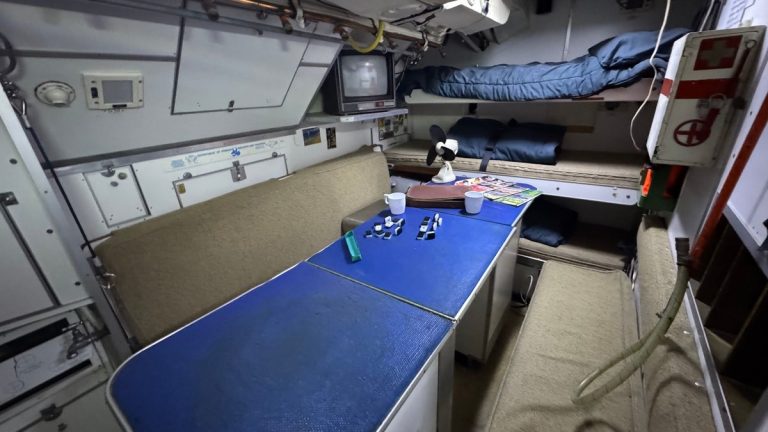
The compact interior of a vintage space capsule simulator

Four men lived 90 days inside a space station simulator and a later NASA report said three showed personality changes, but its warning about crew psychology rested on Rorschach tests and a follow-up that effectively shrank to three cases

Long missions depend on a crew’s ability to read tension, frustration and trust before small problems turn into serious ones. That is why an obscure NASA contractor report from February 1972 still feels surprisingly modern. It described what happened after four young men spent 90 days sealed inside a simulated space station in 1970, then…