Explainer

RSS Feed
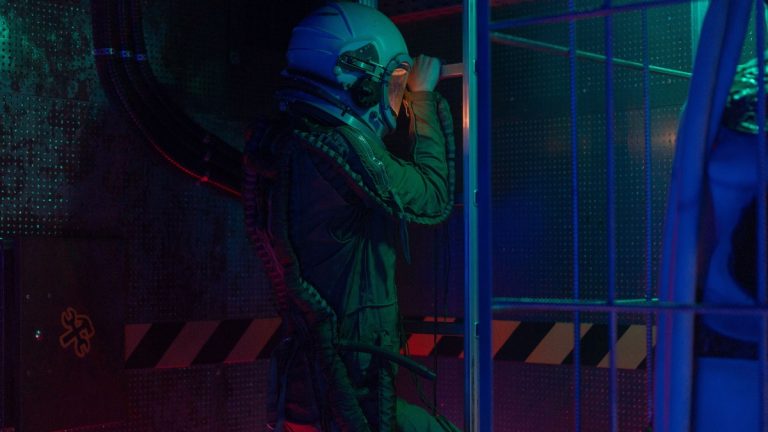
An astronaut in a spacesuit explores a barren, eroded desert, resembling Martian terrain

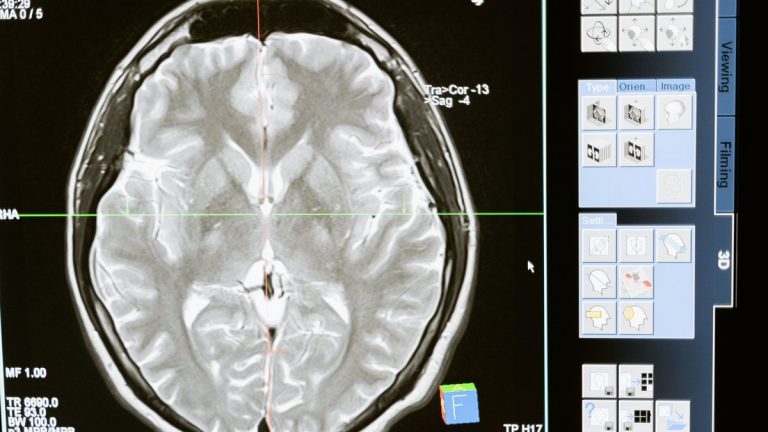
Fifteen astronauts came home from missions averaging 188 days with shakier balance and slower two-hand work, while most tested cognition stayed steady and the clearest movement losses eased within about a month back on Earth

Fifteen astronauts who spent about six months in orbit returned with clear problems in balance, mobility and fine hand coordination, according to a Frontiers in Neural Circuits study. The same paper found that the tested cognitive measures stayed broadly stable, which narrows the main short-term concern after landing to movement control rather than a sweeping…

More

More in Explainer

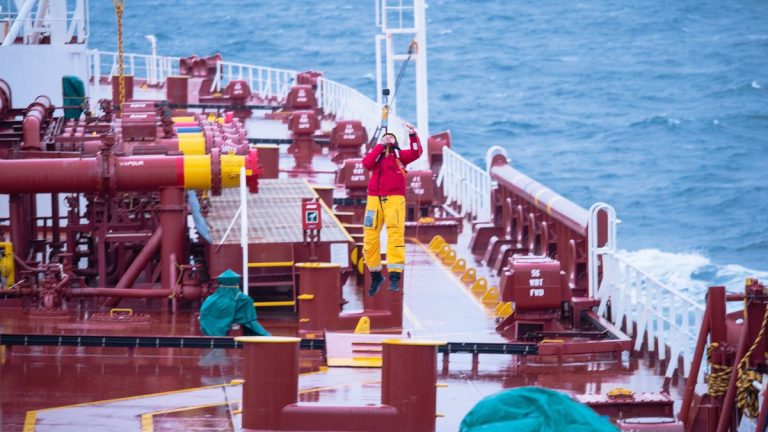
Seafaring crew operating on deck of cargo ship amidst ocean, showcasing teamwork and maritime expertise

Among 349 seafarers from 12 countries, poorer mental health was tied most closely to vibration, bullying, homesickness and illness, while family isolation, supervisor demands and cultural strain weighed most heavily on plans to leave the industry

Three groups of strain stood out when researchers asked seafarers which shipboard pressures were most closely linked with poorer mental health. In this survey, the strongest signals came from the physical environment, from social tension on board and from health problems, while several stressors that dominate public discussion of life at sea carried less weight…

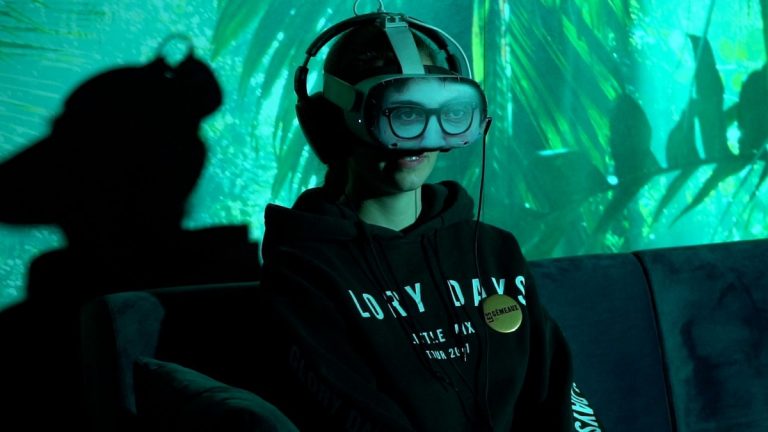
Virtual reality session during deployment

Twenty-nine sailors tried beach and forest virtual reality during a 2-week voyage aboard a U.S. Navy warship and the scent-linked version cut negative affect right after each session even as longer-run gains in stress relief, presence and cognitive performance stayed limited

A two-week trial aboard a U.S. Navy warship asked a simple psychological question in a hard place to test it: can a brief virtual walk through nature steady mood when real nature is out of reach? The answer was modest but clear. Sailors who used an olfactory-enhanced version of the virtual reality system showed an…

A serene close-up of a hand gently touching a sparkling water surface under daylight

Ten healthy men were lowered to the neck into 18-degree-Celsius seawater and during the first two minutes their code-substitution scores fell by about 11 percent while oxygen demand rose 149 percent in a small crossover study about survival decisions at sea

Ten healthy men sat quietly in a lab, then slipped into water kept close to 18 C, a temperature that can feel manageable beside the Mediterranean shore. A pilot study found that within the first two minutes of that sudden immersion, their performance on a code-substitution task dropped by about 11 percent while their bodies…