Explainer

RSS Feed
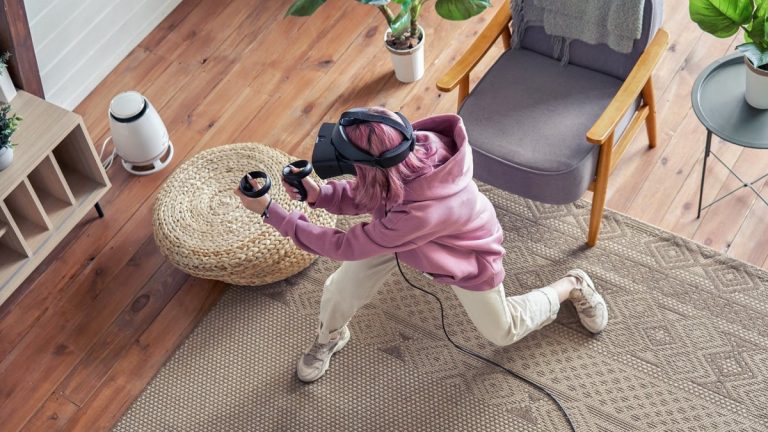
Young woman using a virtual reality headset in a field

Two hundred thirty-six students with anxiety spent 30 minutes planting rowing and reflecting inside a virtual nature world and several benefits remained two weeks later

Can a computer-made lake, a planted virtual tree and a quiet boat ride calm an anxious mind? A trial involving university students in China found that a single session of Mind Nature, an interactive virtual landscape with mindfulness guidance, reduced anxiety more than a recreational VR game or no activity. The study, published in the…

More

More in Explainer

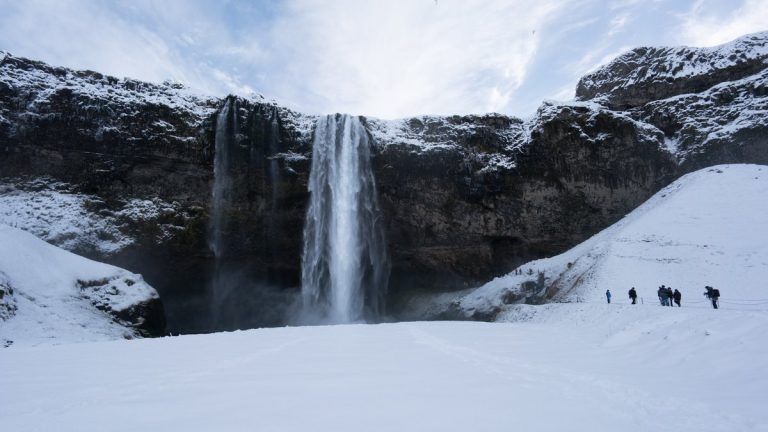
Tourists viewing snow covered landscape and high waterfall, Iceland, Europe. Iceland nature 2017 winter cold

Thirty-two adults faced carbon dioxide panic challenges and 30 seconds of cold facial immersion slowed heart rates while reducing induced panic and anxiety

Cold water placed across the face may activate an ancient survival reflex that slows the heart and eases some symptoms of panic. In a small human experiment, people with panic disorder reported less anxiety after holding their breath and immersing their faces in cold water for 30 seconds. The study, published in Frontiers in Psychiatry,…

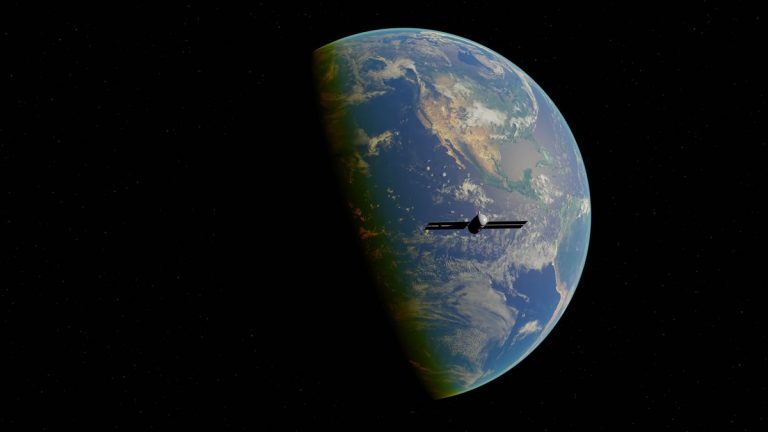
A stunning digital rendering of Earth from space, featuring a satellite and the vast universe

Across 66 astronauts and cosmonauts, a study found longer missions drew more coping humor, while self-defeating jokes rose later in a space career

A study of 66 spacefarers found that humor in spaceflight memoirs, interviews, debriefs and oral histories followed clear social patterns rather than appearing as random comic relief. The most striking result was simple: longer missions brought more coping humor, the kind of joking people use when pressure rises and emotions need a safe release. The…

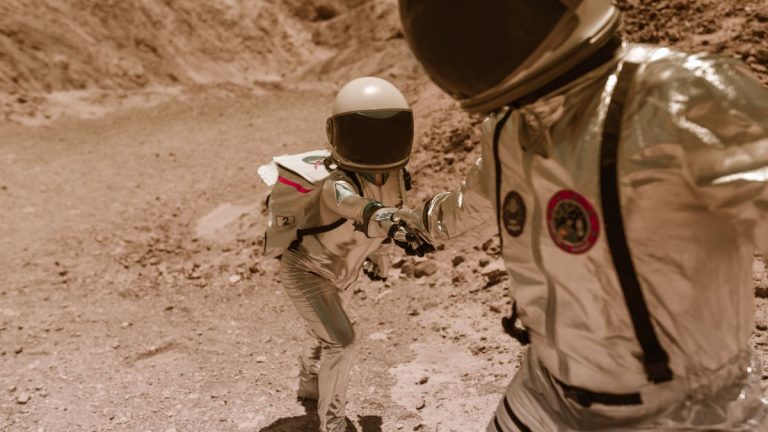
Astronaut crew cooperating in an isolated habitat

NASA data from 83 astronauts and analog crewmates found that tidy, considerate behavior explained roughly 40 percentage points more of whether a crew would work together again, giving mission planners a measure of the daily habits that help isolated teams stay workable

A survey linked daily habits with future crew trust A Frontiers in Psychology study followed 83 astronauts and analog crewmates across 24 teams and asked a simple question with large consequences for long missions: which small habits make people easier to live with when there is no easy escape? The teams lived and worked in…