Explainer

RSS Feed
Powerful ocean waves crash into the rugged cliffs of Peniche, Portugal, creating a breathtaking coastal view

How Saltwater Intrusion Contaminates Coastal Aquifers

Saltwater intrusion occurs when saline water enters a freshwater aquifer and makes part of its supply less useful. It is most familiar near coasts, where fresh groundwater meets seawater, but deep saline groundwater and human-made sources of salt can also affect wells. Coastal pumping is the leading driver. Lowering freshwater pressure allows the transition zone…

More

More in Explainer

Breathtaking view of Pamukkale's travertine terraces with mineral-rich thermal waters

Ninety-eight adults with long COVID entered a randomized trial of 12 water-therapy sessions, fatigue and pain improved most by the end of treatment and 17 temporary symptom flares showed why the one-month follow-up still deserves caution

Why some long COVID symptoms eased after a month of guided spa treatment became clearer in a 2025 randomized controlled trial in BMC Complementary Medicine and Therapies. Researchers in Barcelona assigned 98 adults with post-COVID syndrome either to 12 sessions of balneotherapy plus aquatic exercise or to a control group, then tracked changes in pain,…

Two fashionable women enjoy a sunny day in an outdoor hot tub, exuding summer vibes and fun

Hot water at 39 C lowered anxiety and salivary cortisol after 30 minutes in 20 adults, but underwater massage added no extra mood benefit while air jets reduced part of the blood flow increase measured across the crossover trial

Feeling calmer after a hot bath sounds ordinary, yet the strongest result in this experiment was measured rather than guessed. After a half hour in 39 degree Celsius water, 20 adults finished with lower anxiety scores and lower salivary cortisol, a hormone often used as a marker of stress. The same session also raised heart…

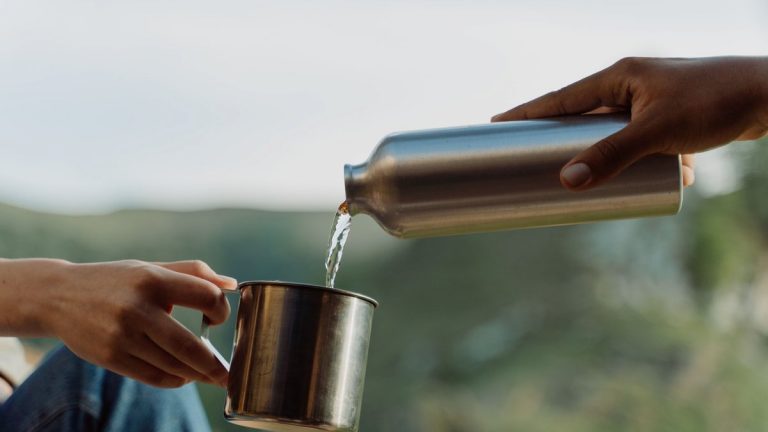
Close-up of hands pouring water from a metal bottle into a cup in an outdoor setting

Sixty-three young adults listened to hot and cold water poured into four cup materials, and correct responses were associated with SMRT scores for porcelain sounds and P300 plus frequency-pattern results for paper sounds, even though everyone had normal hearing

Sixty-three young adults sat through a simple sounding experiment with a surprisingly tricky goal: decide whether a recording captured hot water or cold water being poured into a cup, using sound alone. The answer was not obvious and success changed with the cup material. Yet some listeners did better than others, which gave researchers a…