Explainer

RSS Feed
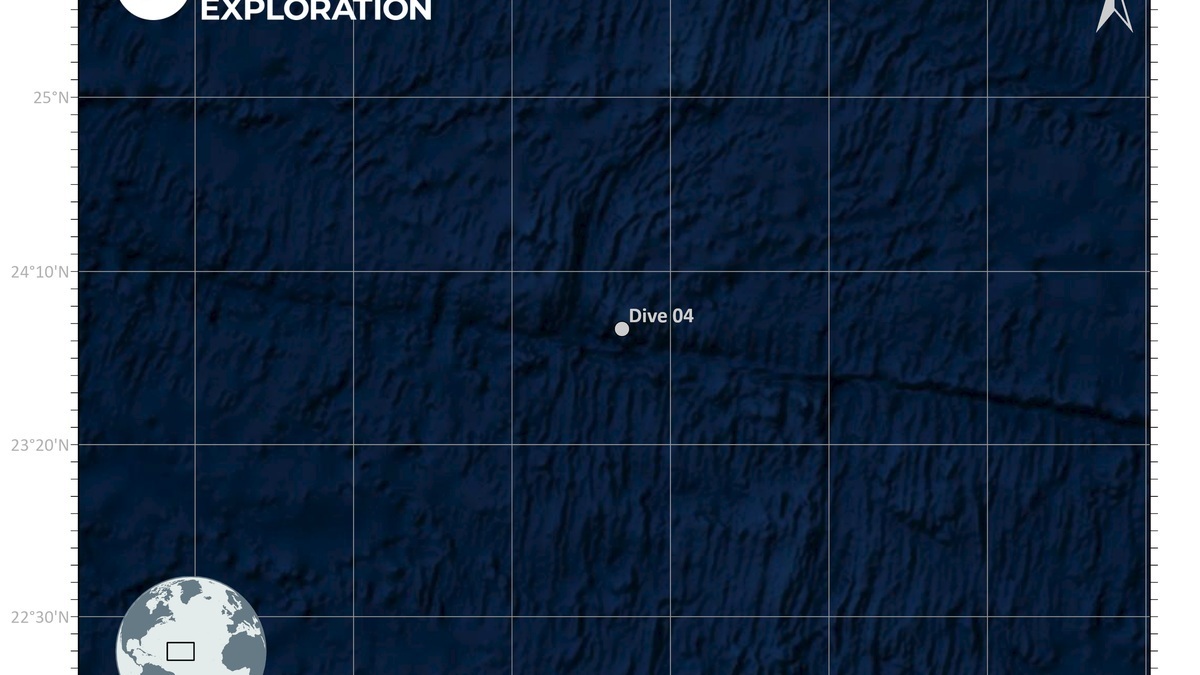
Map of the Western Kane Transform Fault in the Atlantic Ocean

Transform Fault vs. Fracture Zone: What Is the Difference?

An oceanic transform fault is an active plate boundary where two plates slide horizontally past each other. A fracture zone is the inactive scar that extends beyond the ends of that transform across older oceanic crust. Both may appear as one long line on a seafloor map, but only the transform segment currently separates plates.…
More

More in Explainer

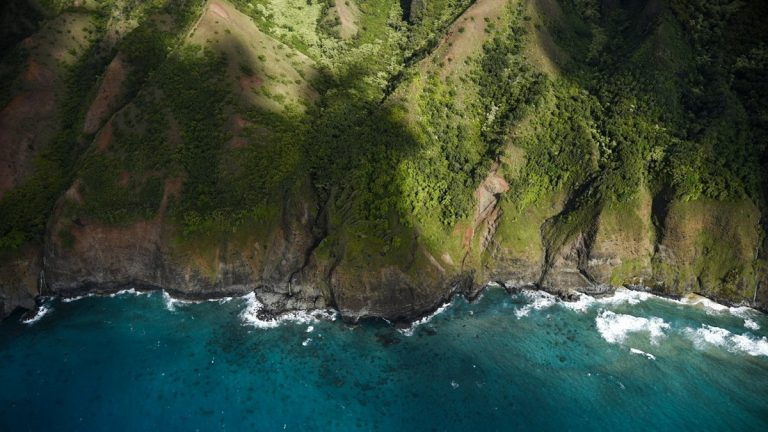
Shallow_water_over_a_continental_shelf

What Is the Continental Shelf?

The continental shelf is the gently sloping seafloor that extends from the coast to the shelf break, where the bottom begins a steeper descent toward the deep ocean. Although submerged, it belongs geologically to the continent. Its shallow water, mobile sediment and close connection to land make the shelf one of the ocean’s most productive…

Continental_margin_seen_from_above

What Is a Continental Margin?

A continental margin is the submerged transition from a continent to the deep ocean basin. It begins near the coast and ordinarily includes the continental shelf, the steeper continental slope and a lower sediment-covered region called the continental rise. Together, those provinces record how continental crust meets oceanic crust and how material moves from land…

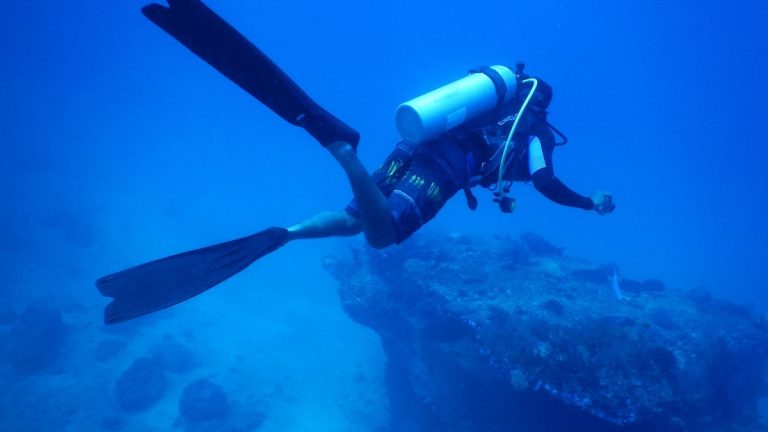
Diver_descending_into_deep_blue_water

How Much Pressure Is in the Deep Ocean?

Ocean pressure comes from the weight of the water above a given point. At the surface, a person already experiences one atmosphere of pressure from the air. Descending through seawater adds roughly one more atmosphere for every 10 meters, or about 33 feet. At 1,000 meters, the surrounding pressure is close to 101 atmospheres, including…