Explainer

RSS Feed
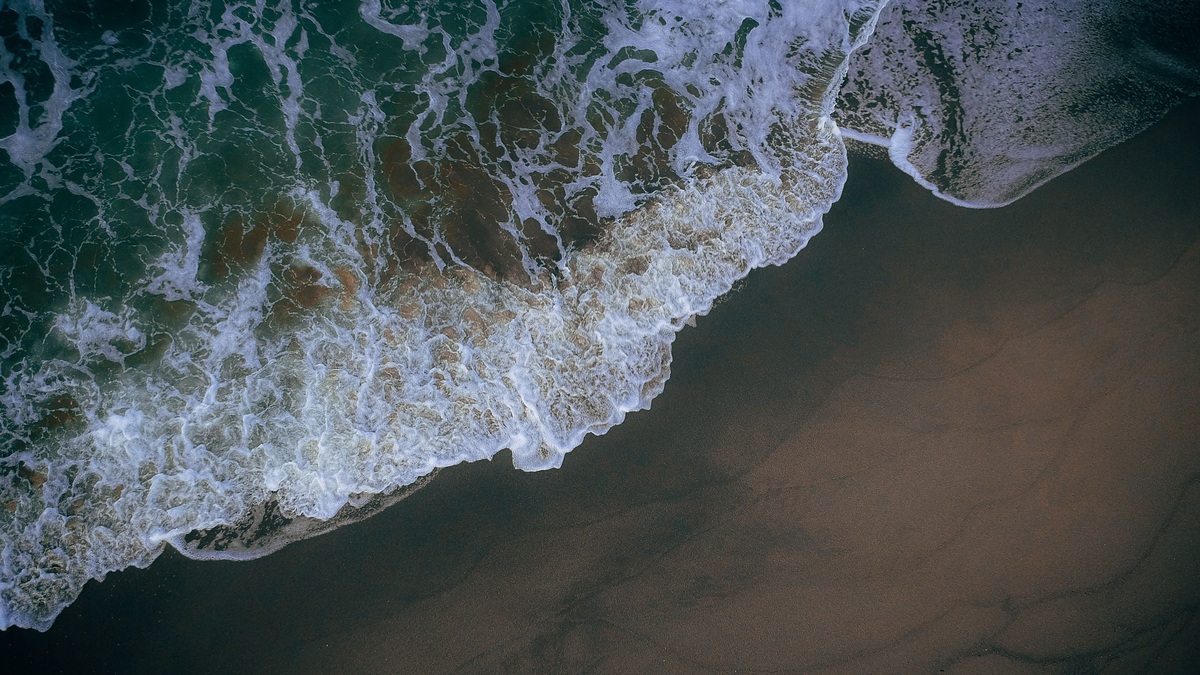
Waves_shoaling_toward_a_beach

What is wave shoaling?

Wave shoaling is the transformation that occurs as waves enter water shallow enough for the seabed to affect their motion. The waves slow, their wavelength shortens and their height eventually increases. Crests become steeper until depth-limited breaking releases much of the organized energy in the surf zone. The exact height change is not a simple…

More

More in Explainer

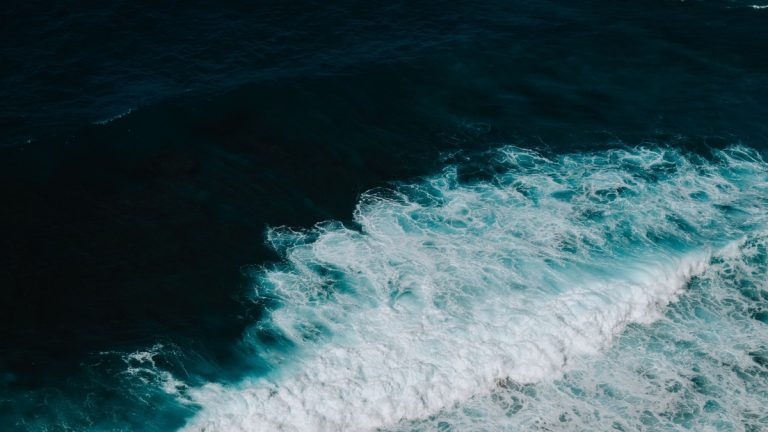
Multiple_wave_crests_from_above

Wave height vs. wavelength: What is the difference?

Wave height measures the vertical distance from a trough to the next crest. Wavelength measures the horizontal distance between matching points on successive waves, usually crest to crest or trough to trough. One describes how tall a wave is, while the other describes how widely its repeating shape is spaced across the water. The two…

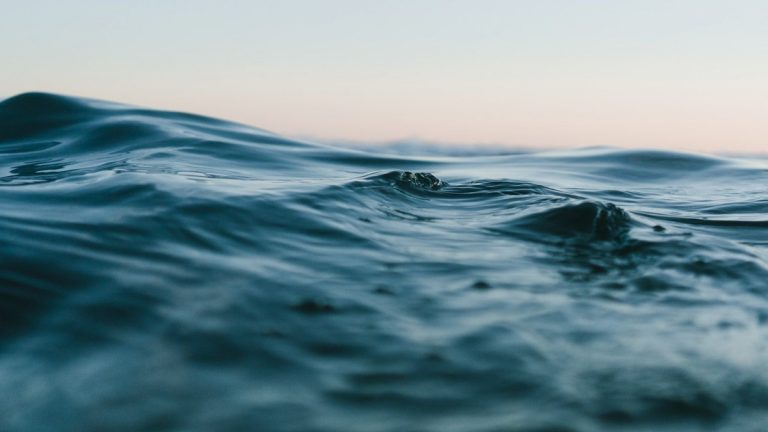
Smooth_ocean_swell_lines

Wind waves vs. swell: What is the difference?

Wind waves are being generated by the wind where they are observed, while swell has traveled away from the weather that created it. Local wind waves are usually shorter and steeper, with less orderly crests. Swell commonly arrives as longer, smoother crests with a steadier direction. A single stretch of ocean can carry both at…

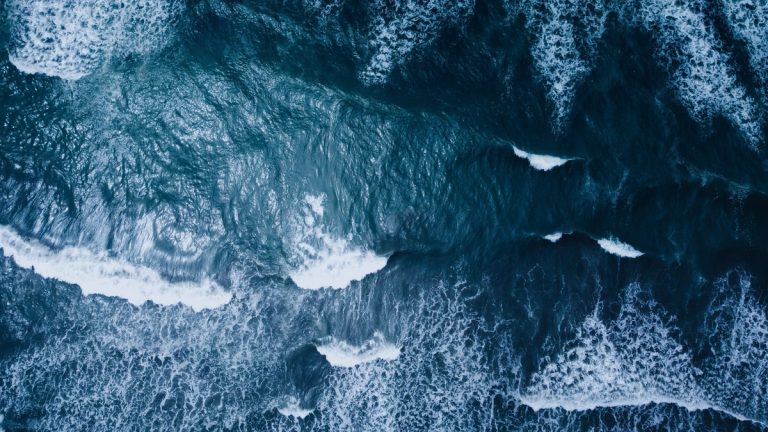
Aerial_ocean_wave_patterns

How do ocean waves form?

Most ocean waves begin when moving air transfers energy to the sea surface. A breeze first roughens otherwise smooth water, then continued wind pressure enlarges those ripples into recognizable crests and troughs. Stronger wind usually supplies energy faster, while a longer blow gives waves more time to grow. The distance over which the wind travels…