Explainer

RSS Feed
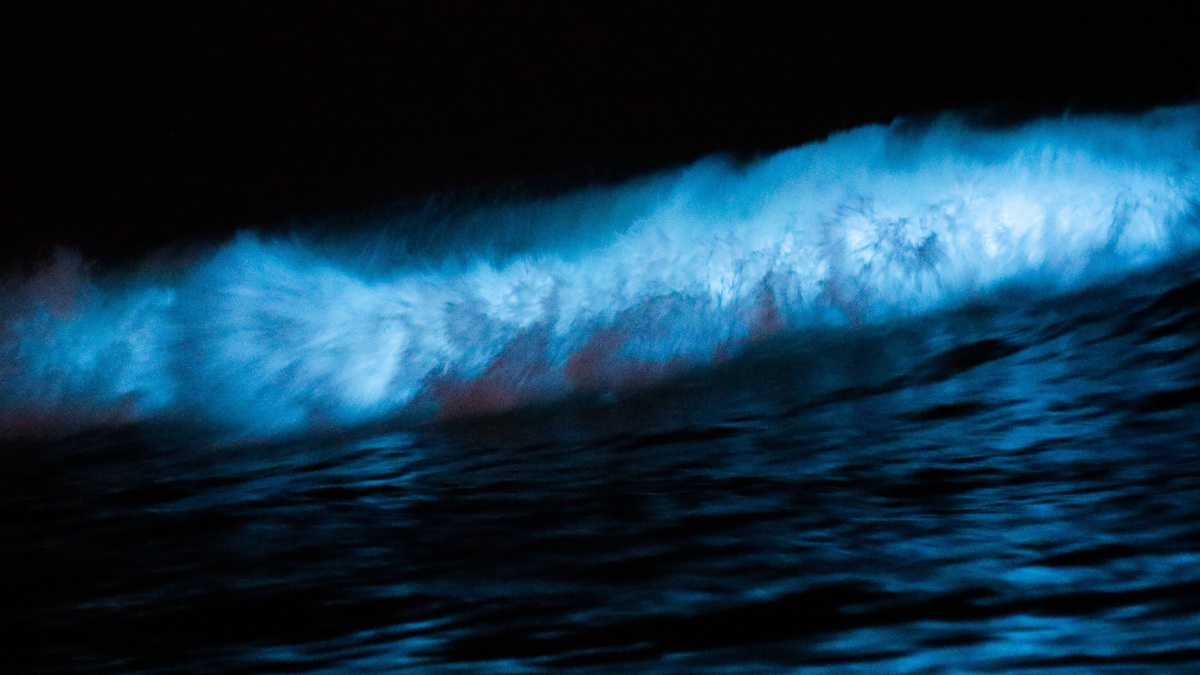
Mesmerizing view of bioluminescent waves crashing at Newport Beach during the night

What Is Bioluminescence?

Bioluminescence is visible light made directly by a living organism. It produces the blue sparks that sometimes outline breaking waves and the points of light recorded around deep-sea animals. The glow comes from a chemical reaction rather than stored sunlight and marine species use it to communicate, find food or avoid being eaten. NOAA’s definition…

More

More in Explainer

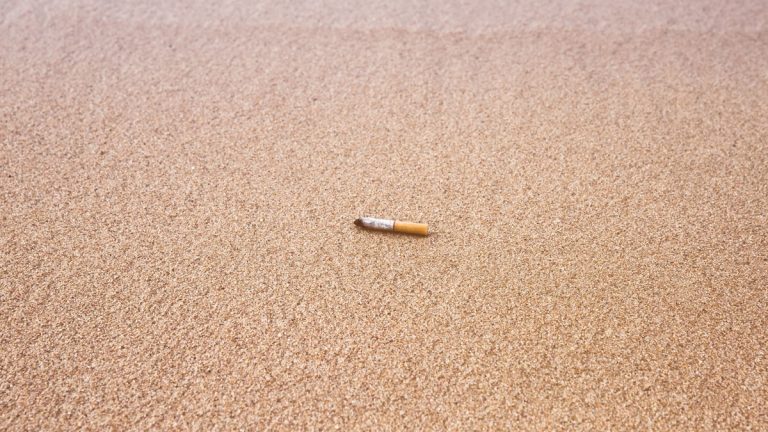
Cigarette butt discarded on a sandy beach, highlighting pollution

What Is the Most Common Ocean Litter?

The most frequently counted item in many coastal cleanups is small enough to disappear between grains of sand. Cigarette butts have occupied the top of global litter lists for decades, although food wrappers moved into first place in one recent International Coastal Cleanup reporting year. Both findings point to the same broad source: disposable products…

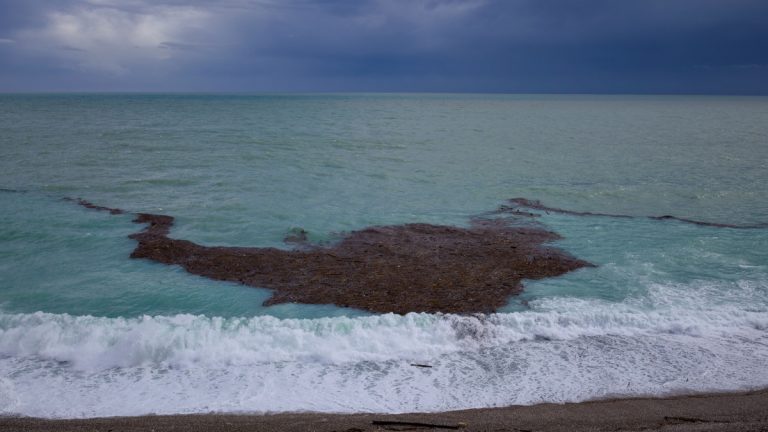
Dramatic seascape showing algae drift and debris on the shore after a storm

How Natural Disasters Create Marine Debris

A hurricane can move the contents of a neighborhood into coastal water within hours. Storm surge lifts boats from their moorings, floodwater sweeps household objects through streets and waves break docks into drifting sections. Earthquakes and tsunamis can do the same across a much larger shoreline. The resulting material becomes marine debris when it enters…

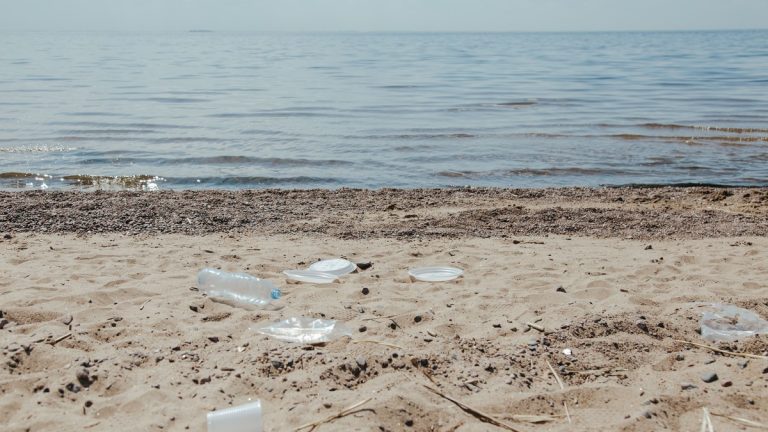
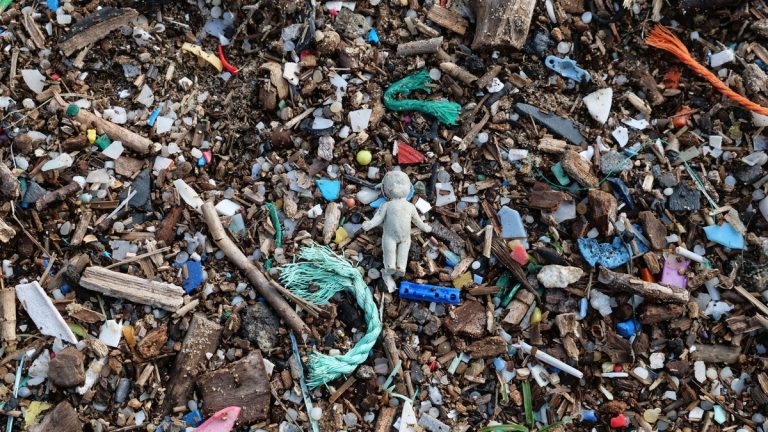
Plastic and wood debris scattered on a beach, highlighting pollution issues

How Long Does Marine Debris Take to Break Down?

A plastic bottle found on a beach may look weathered after a few years, yet its material can remain in the marine environment far longer. Sunlight makes some debris brittle. Waves grind weakened surfaces against sand and rocks, while temperature changes add stress. Weathering usually produces smaller fragments rather than a clean disappearance. The time…