A study in Frontiers in Psychology brings a practical stake to a familiar personality question: how do introverted students fare when school asks them to learn through conversation, teamwork and peer exchange? The research found that introverted students who were more socially engaged reported higher self-esteem than introverted students who were less engaged.
The study, led by researchers affiliated with the University of Helsinki and Central China Normal University, examined 862 ninth grade students in Finland. It focused on introversion, social engagement, self-esteem, schoolwork engagement and school burnout. The results point to a more careful view of quiet personality styles in the classroom.
For teachers and parents, the finding carries a simple message with real consequences. Introverted students may benefit when schools create calm and supportive ways to participate. The goal is meaningful engagement that fits the student, especially in group learning where classroom norms often reward fast talkers.
The paper’s abstract states that “introverts with high social engagement have higher self-esteem than introverts with low social engagement.” That sentence is narrow, measured and important. It ties social participation to well-being without flattening introversion into a single behavior pattern.
Introversion and Social Engagement
Introversion and social engagement can overlap in many ways. A student may prefer quiet reflection and still contribute well in a group. Another may enjoy one-on-one discussion while finding large group work draining. The Finnish study looked at how these traits and behaviors interact in school settings.
In psychology, introversion is usually treated as a personality tendency linked to inward focus and lower desire for frequent social activity. Social engagement describes what students do with others in learning situations. That can include sharing ideas, listening to classmates, helping peers and joining group activities.
The difference matters because school is built around interaction. Students discuss problems, exchange explanations and learn from classmates. The authors wrote that “Learning is a social process in which children gain knowledge through social interaction and exchanging ideas with their classmates.” For introverted students, the quality of that process may shape how safe and capable they feel.
The study’s design also reflects a key point about classroom life. A personality trait can influence behavior, yet the school environment still matters. A supportive classroom may invite thoughtful participation. A louder or more competitive one may make some students withdraw before they have a chance to contribute.
That distinction helps explain why the researchers examined both engagement and disengagement. The study identified a two-factor model for the social engagement scale. In plain language, social involvement and social withdrawal were treated as related patterns with different classroom meanings.
What the Finnish Student Study Found
862 ninth grade students from Finnish comprehensive schools took part in the research. The team first tested whether a social engagement scale worked reliably in this school context. After that, they examined how introversion interacted with social engagement in relation to well-being.
The study looked at three major outcomes. One was self-esteem, a general sense of personal worth. The others were schoolwork engagement and school burnout. Together, those measures gave the researchers a wider picture of how students were doing in school.
The most striking result centered on self-esteem. Introverted students who reported higher social engagement also showed higher self-esteem. The finding suggests that quiet students may thrive when they are connected to peers through useful and welcoming classroom interaction.
The researchers also found that social disengagement was linked with poorer school outcomes. Students with higher disengagement showed lower schoolwork engagement and higher risk of burnout. These patterns applied beyond personality labels, which makes engagement a classroom-wide issue.
The result should be read with care. The study was conducted among ninth grade students in Finland and it reports associations. It doesn’t prove that one classroom change will raise every introverted student’s self-esteem. Still, it gives educators a clear research-backed reason to take quiet students’ social experience seriously.
Why Quiet Students Still Need Connection
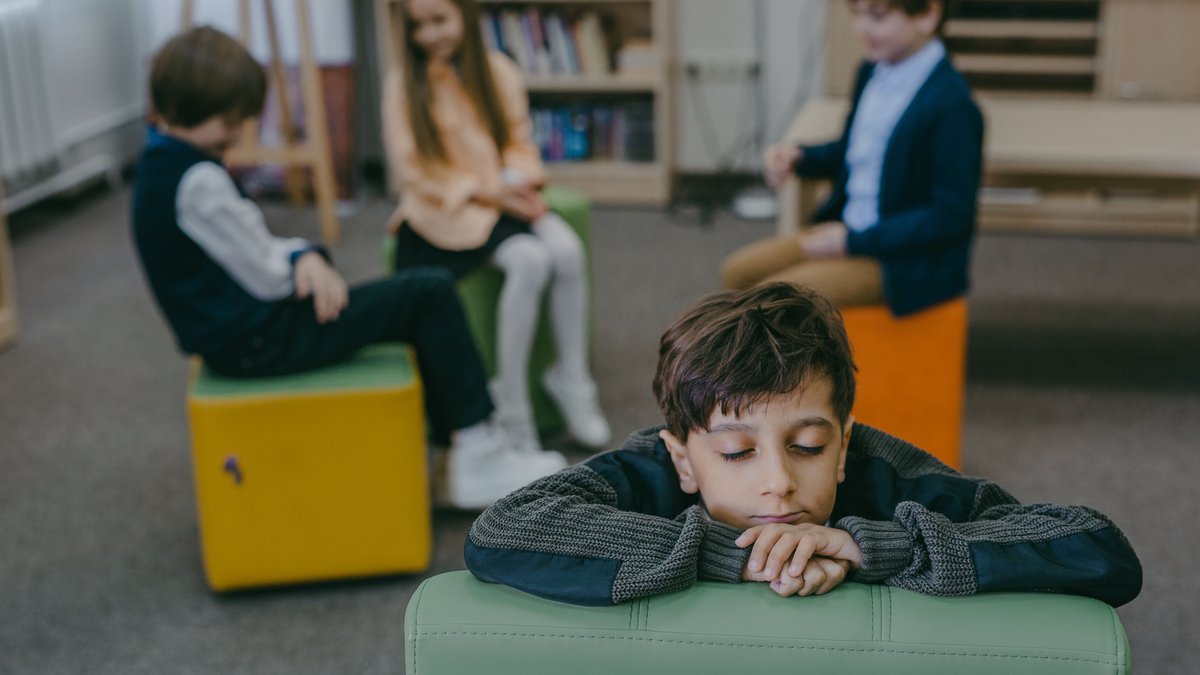
Quiet students can be easy to misread in busy classrooms. A student who speaks less may be thinking carefully. A student who avoids a group task may feel overwhelmed by the format. The Frontiers in Psychology study helps separate outward participation from the richer question of social belonging.
Introverted students may have good social skills while choosing fewer social interactions. The paper discusses the idea that many introverts function well in social situations. It also notes that some may withdraw because too much social engagement feels overwhelming. That tension is central to the study’s classroom relevance.
Connection still matters. Peer learning can help students test ideas, hear different explanations and build confidence. When introverted students are able to join groups and enjoy teamwork, the study suggests their self-esteem can grow. The classroom challenge is to make that participation feel possible.
There is also a social signal hidden in many learning environments. Students who speak early and often may be seen as more engaged. Students who wait, listen and respond later may be seen as less involved. A fairer classroom needs room for both patterns.
The study conclusion says that “social engagement plays an important role in introverts’ self-esteem.” That line captures the central implication. Introverted students benefit from connection, especially when participation is designed with enough structure and trust.
How Schools Can Support Introverts
Socially supportive classrooms are the practical next step suggested by the research. The authors argue that introverted students may need extra support during group work. That support can come through clear roles, smaller discussion groups and time to prepare before speaking.
Simple classroom routines can make a large difference. Teachers can give students a minute to write before a discussion. They can rotate group roles so speaking is shared. They can invite written contributions alongside spoken ones. These choices give quieter students more ways to participate.
Peer learning also works best when belonging is protected. The study notes that students need to feel accepted by teachers and peers. They also need chances to interact with both. For introverted students, those chances may be most effective when they are predictable and purposeful.
The research does invite caution for schools that equate participation with constant talk. Engagement can include helping a classmate, considering another student’s idea, or contributing a carefully formed answer. Those behaviors may be quieter than debate, yet they still support learning.
For parents, the takeaway is equally grounded. A quieter child may still need friendship, teamwork and social practice. The best support helps them enter those situations with confidence. The Finnish study suggests that when introverted students are engaged with peers in a supportive setting, their self-esteem can benefit.
Student well-being depends on more than personality. Classroom design, teacher expectations, peer acceptance and group dynamics all shape the experience. The Frontiers in Psychology study adds a useful piece to that puzzle. It shows that introversion and meaningful social participation can exist together in the same student.
The broader message is hopeful. Schools can support introverted students by respecting their temperament while giving them real opportunities to connect. That balance may help quiet students feel seen, capable and included in the social life of learning.