Explainer

RSS Feed
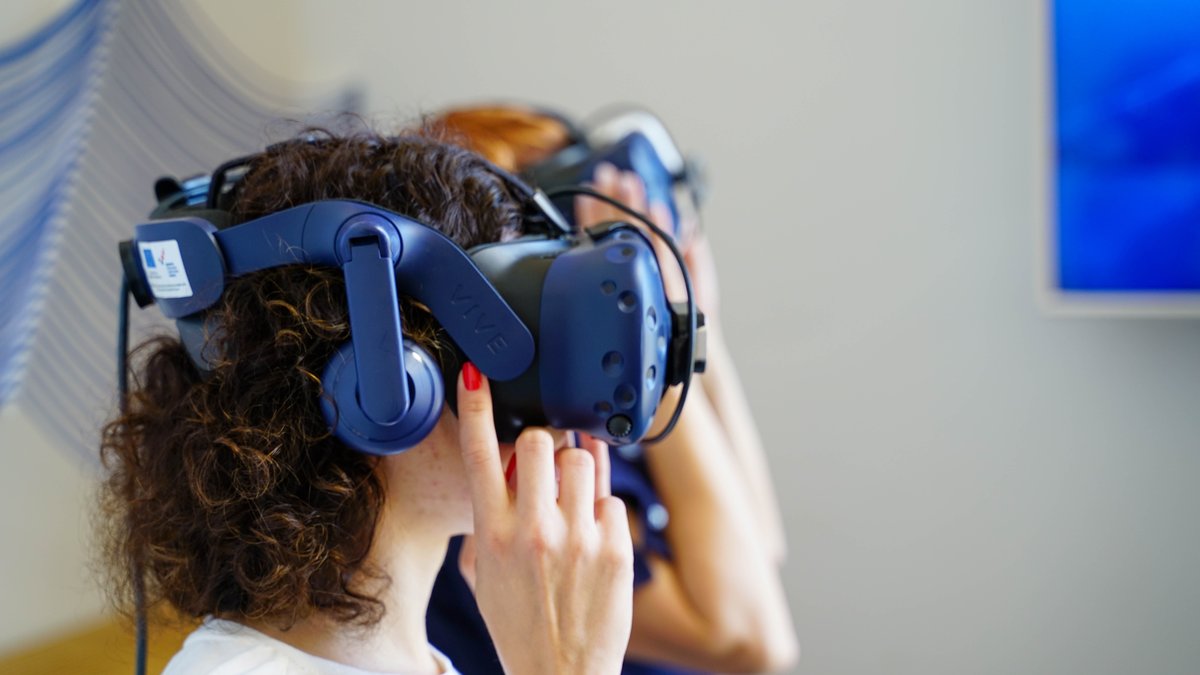
Two women using VR headsets, fully immersed in virtual reality technology indoors

Twenty people with stage IV colorectal cancer spent 30 minutes inside a virtual coral reef and deep sea and the pilot study found immediate drops in pain, tension, stress and anxiety while leaving the bigger question of long-term benefit for randomized trials

Twenty people with stage IV colorectal cancer sat through a single 30-minute virtual reality session and the study recorded sharp pre to post drops in pain, stress, anxiety, tension and low mood. The numbers came from a small pilot, yet they were large enough to suggest that a short immersive break may offer some relief…

More

More in Explainer

A tranquil coastal path under a blue sky, perfect for peaceful walks and nature appreciation

Twenty-six healthy adults took three 6-minute walks at the same pace and the real seaside route delivered higher enjoyment than both a treadmill and its virtual coastal copy while the VR version came closer on mindfulness and peak heart rate

Twenty-six adults walked for only six minutes at a time, yet the setting changed the experience sharply. In a crossover study published in late 2023 and carried in a 2024 journal issue, the same people completed an outdoor coastal walk, a standard indoor treadmill walk and a treadmill walk paired with a recorded virtual reality…

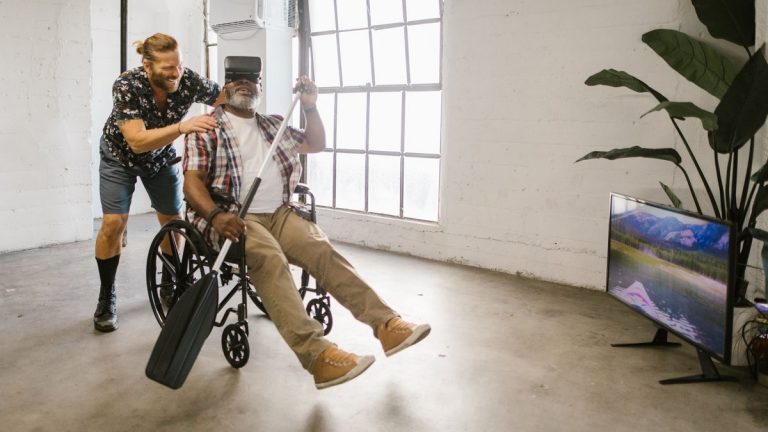
Two men enjoy virtual reality gaming indoors, emphasizing fun and accessibility

Twenty-one stressed young adults entered a 15-minute virtual beach and the 18 who completed both the session and heart-rate testing finished lower on average while many said the headset felt like a short holiday away from daily strain

Twenty-one young adults who said they were under psychological stress put on a headset and entered a digital beach for 15 minutes. Eighteen completed both the session and usable before-and-after heart-rate testing and that analyzable group ended with lower average heart rates. The study paired that physiological change with interviews and the same pattern appeared…

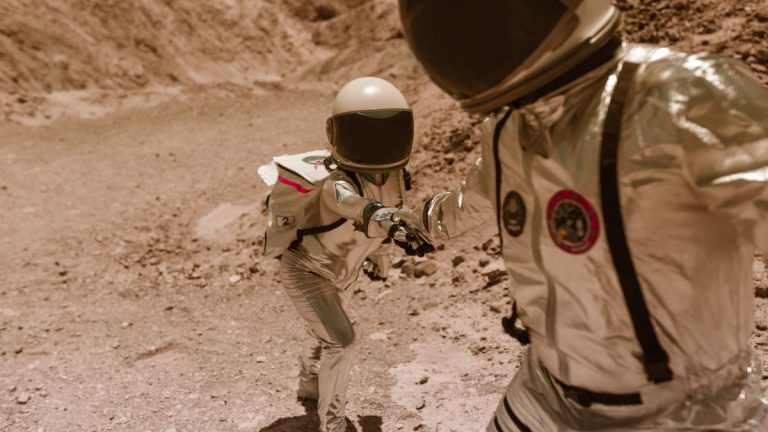
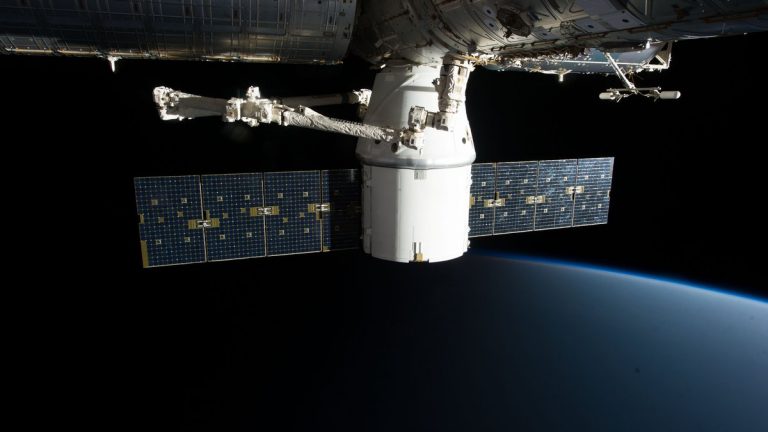
Astronaut working with spacecraft systems

Fifteen astronauts spent about 6 months in orbit and returned with steady working-memory scores, while brain scans showed their visual task networks had been reorganized to keep the same answers coming

Fifteen astronauts can come home from a half-year mission looking stable on a memory test, yet their brains may have done extra hidden work to stay that way. In a study of long-duration spaceflight, researchers saw no measurable drop in spatial working memory after about six months in orbit, but they did see shifts in…