Explainer

RSS Feed
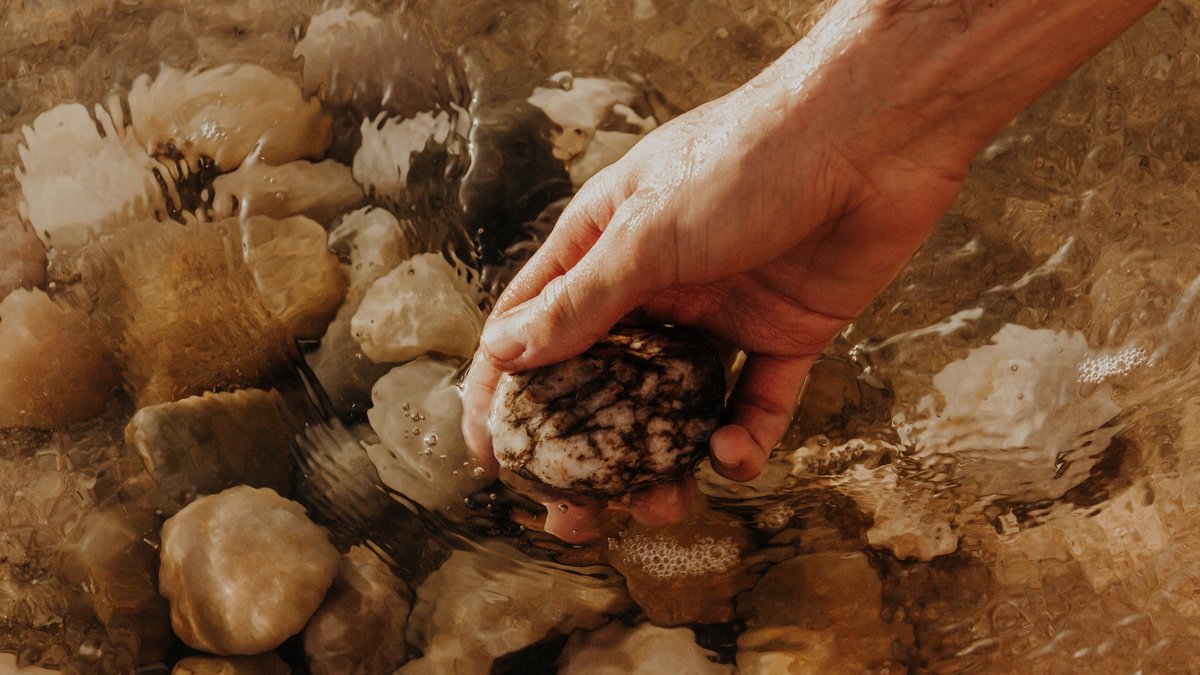
A closeup of a hand holding a stone in shallow water with pebbles

Twenty-nine university students faced six minutes of noise and warming one hand in 40 C water for two minutes reversed the stress-linked fingertip temperature drop measured in the opposite hand

Twenty-nine healthy university students sat through a short burst of noise in a randomized trial and a simple change in the middle of that exposure produced the study’s clearest result. When participants placed one hand in warm water for two minutes, the researchers saw the opposite hand recover from a stress-linked drop in fingertip temperature…

More

More in Explainer

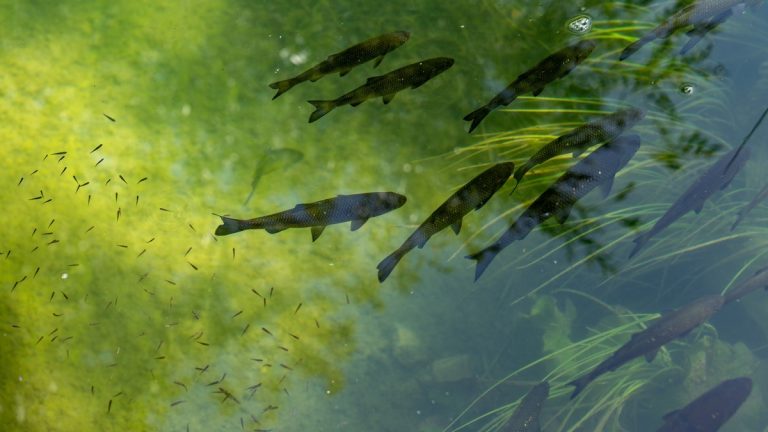
Fish_and_fry_in_a_clear_pond

Pond Food Chain: From Algae to Fish and Birds

A simple pond food chain runs from algae to zooplankton, then to small fish and larger predators. A second route begins with aquatic plants or attached algae, passes through insects and snails and reaches fish, frogs or birds. Real ponds contain both routes plus many cross-connections, so ecologists describe a food web rather than one…

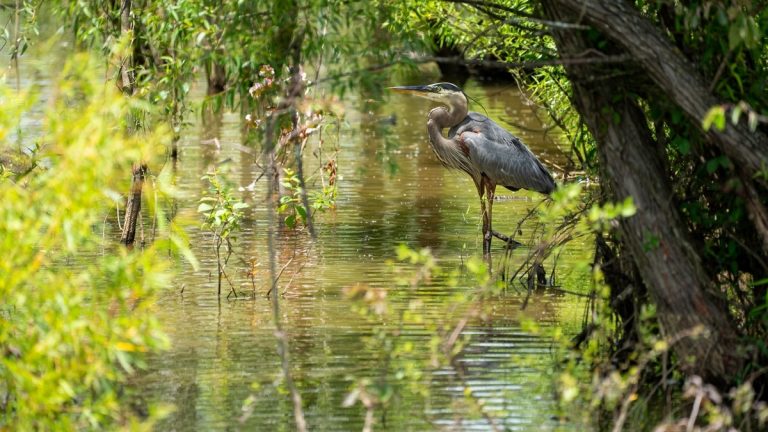
Great_blue_heron_in_freshwater_wetland

Wetland Food Web: Producers, Consumers and Decomposers

A wetland food web connects organisms through the movement of food energy and nutrients. Producers capture energy. Animals consume living material or organic remains, while decomposers break the remains into simpler compounds. Many wetlands rely heavily on detritus made from dead plant tissue. The exact web differs among wetland types. Water depth selects which organisms…

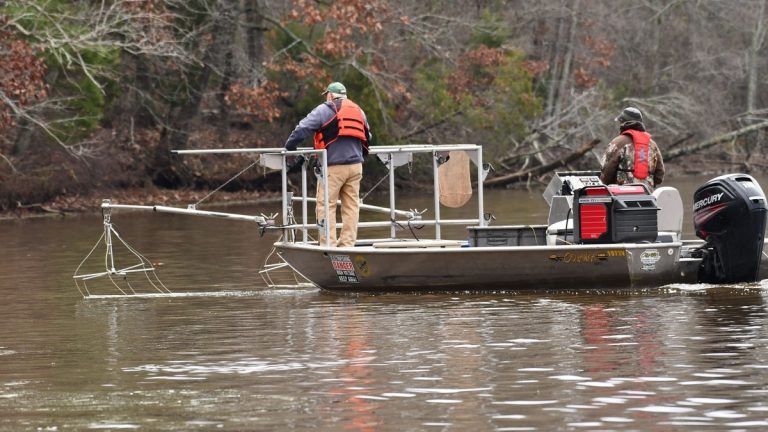
Scientists_surveying_inland_water_from_boat

What Is a Limnologist?

A limnologist is a scientist who studies inland waters as connected physical, chemical and biological systems. The field includes freshwater and saline lakes, reservoirs, rivers, wetlands and groundwater. A limnologist may investigate how a lake mixes, why oxygen declines or how organisms respond to changing water quality. The job title is less standardized than titles…