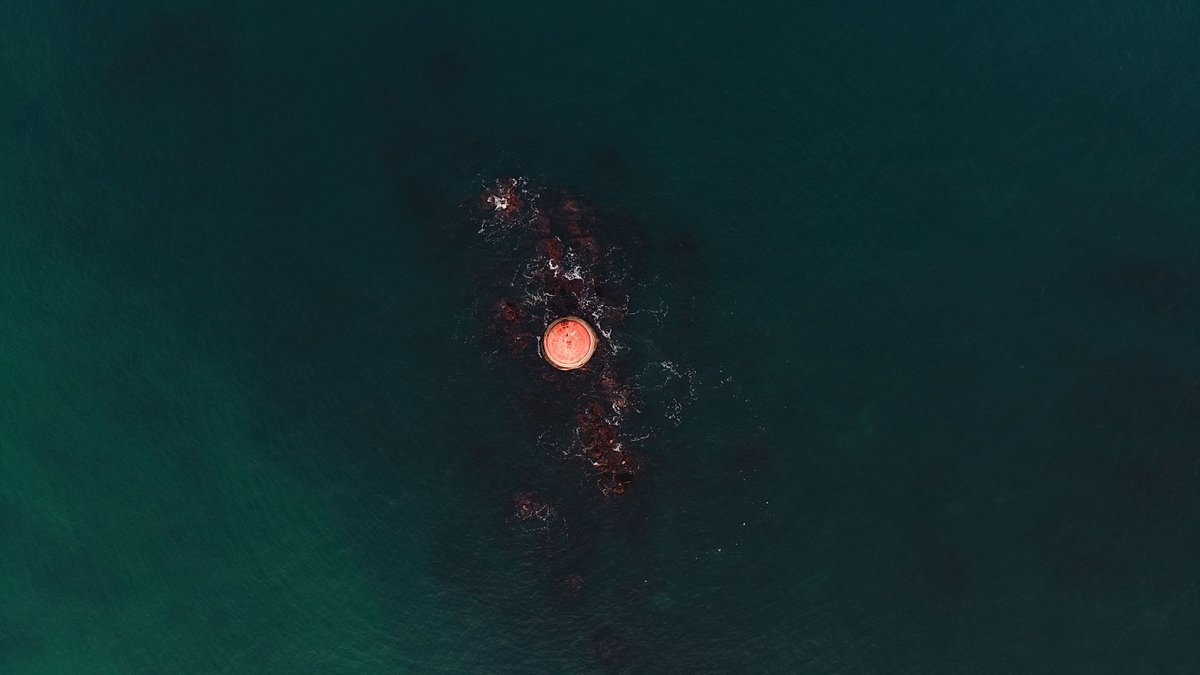
The U.S. National Science Foundation has reversed course on a plan that would have sharply reduced parts of the Ocean Observatories Initiative, a major ocean-monitoring network used by climate researchers, fisheries scientists and coastal forecasters. The change came after scientists and lawmakers warned that removing hundreds of instruments would create a dangerous blind spot in the ocean record.
The earlier OOI announcement said NSF had begun descoping the facility, including plans to remove in-water infrastructure from the Irminger Sea, Station Papa, Endurance and Pioneer arrays. On June 18, 2026, NSF issued an update saying it would stop further removals and continue operations, including planned maintenance. Equipment already recovered from the Endurance Array is now expected to be redeployed after servicing.
That reversal matters because OOI is one of the few systems built to watch the ocean continuously from the surface to the deep seafloor. Its buoys, moorings, gliders, cables and sensors track heat, oxygen, acidity, currents, storms and biological change in places that ships can visit only briefly.
Why Ocean Sensors Matter
The ocean stores most of the excess heat trapped by greenhouse gases and absorbs a large share of human carbon dioxide emissions. Those changes do not unfold neatly at the surface. Heat can move downward, low-oxygen water can spread below sight and acidic water can reach ecosystems from deeper layers.
Satellites are essential for seeing the broad ocean surface, but they cannot replace instruments sitting in the water through storms, quiet seasons, heat waves and sudden oxygen crashes. Long records help scientists separate ordinary ups and downs from deeper climate shifts.
OOI data are also public. That makes the network useful beyond a small circle of specialists. Researchers, students, fishery managers and coastal communities can use the observations without mounting their own ocean expedition.
The Arrays Scientists Were Worried About
The Irminger Sea Array watches a North Atlantic region tied to heat exchange and deep ocean circulation. The Station Papa Array sits in the Gulf of Alaska, a long-studied region for atmosphere-ocean interaction. The Endurance Array observes the productive Pacific Northwest coastal ocean, where upwelling, acidification and low oxygen can affect fisheries. The Pioneer Array monitors a dynamic U.S. Atlantic shelf-break region.
Each array gives scientists a different view of how the ocean is changing. Removing them would not erase the past decade of data, but it would make the future record thinner at the moment researchers are trying to understand faster warming, shifting currents and more damaging marine heat waves.
The Regional Cabled Array was expected to remain active even under the earlier descoping plan. NSF’s new update keeps a broader set of observing assets in play while the agency gathers input and convenes an expert panel to assess future ocean-observing needs.
A Reprieve, Not the End of the Question
The decision does not settle every funding or planning question around the network. It does change the immediate story. The most important update is that NSF is no longer moving ahead with further removal of remaining arrays.
For researchers, the reprieve preserves a rare stream of measurements from difficult ocean environments. For coastal communities, it keeps alive a system that can help reveal changing conditions before they become obvious from shore.
The larger lesson is simple. Long-term science infrastructure is easy to undervalue until the record is interrupted. Ocean observing systems work best when they keep watching through the uneventful days, because those quiet measurements are what make the extreme events understandable.