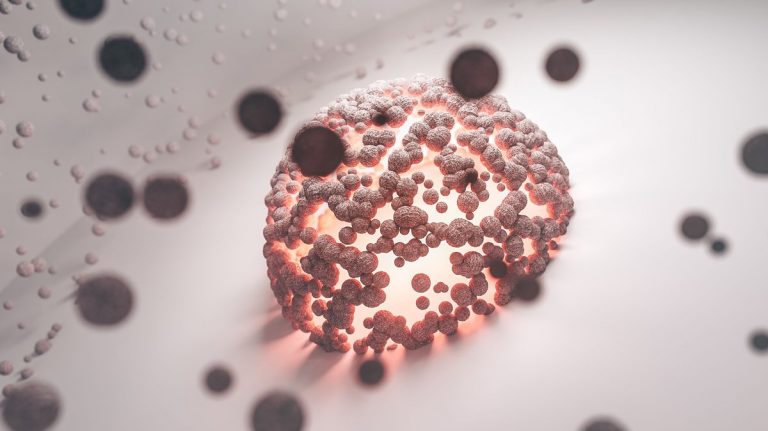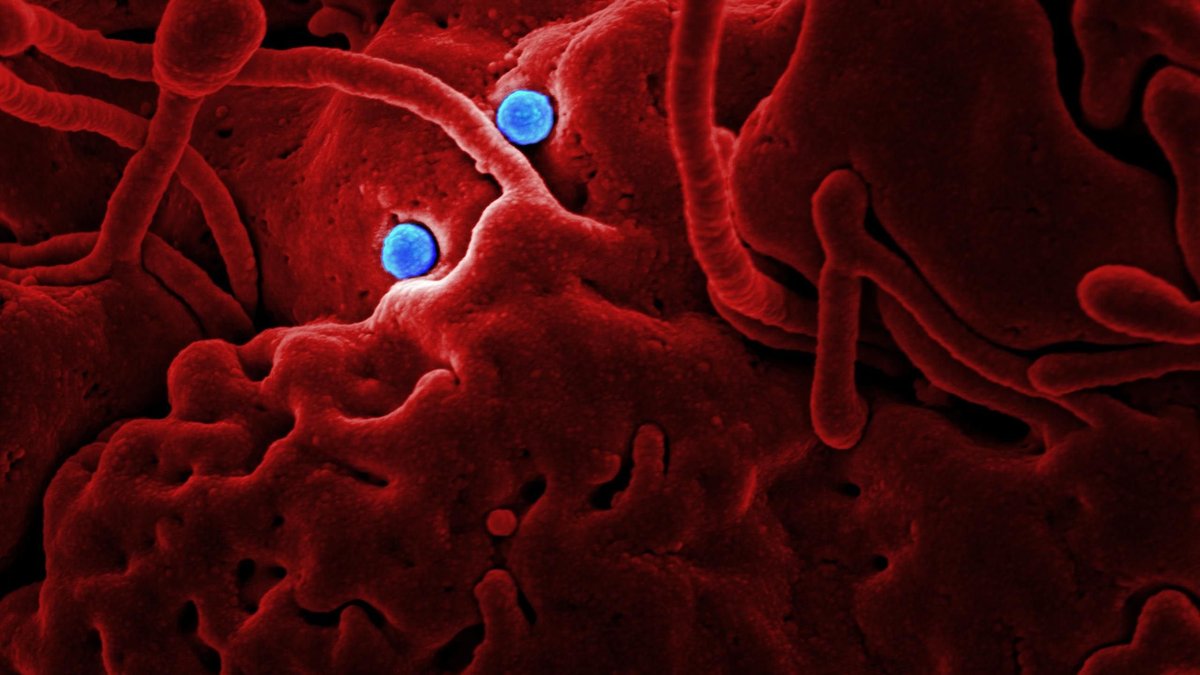
A study in FEMS Microbiology Ecology reports that giant viruses across Earth’s polar regions may be key players in the coldest microbial ecosystems on the planet. These unusually large viruses appear to help shape which microbes survive, how nutrients move and how fragile polar food webs respond to change.
The finding adds a surprising layer to Arctic and Antarctic biology. In lakes, fjords, sea ice and other frozen habitats, life often runs through microscopic organisms. Microalgae and protists form the foundation of these systems. Giant viruses infect many of them, which gives the viruses unusual power over food webs that lack large numbers of bigger predators.
For decades, many of these viruses escaped attention because standard virus-hunting methods filtered out larger particles. Their size made them easy to miss. The discovery of mimivirus in the early 2000s changed that picture and opened the door to a wider world of giant viruses with large DNA genomes and unexpected genetic toolkits.
Hidden Giants in Polar Ecosystems
Giant viruses are now recognized as members of the group known as Nucleocytoviricota. They can approach the size of small bacteria and some carry genomes that stretch into millions of DNA letters. That scale gives them room for genes that look unusual in the viral world, including genes linked to metabolism and host-cell control.
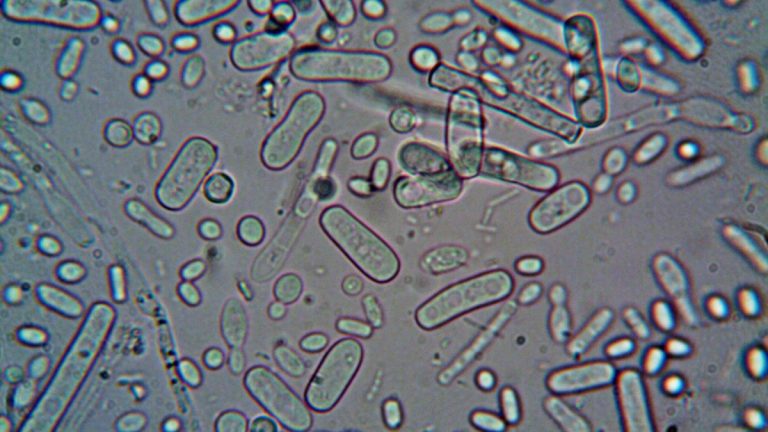
Across polar environments, these viruses encounter ecosystems shaped by cold, darkness, intense seasonal light and long periods of isolation. Microbial life still thrives there. Microalgae capture sunlight when it is available, protists graze and recycle nutrients and bacteria break down organic material. Giant viruses thread through this system by infecting key microbial hosts.
Their influence grows because polar food webs can be compact. In many aquatic and ice-covered habitats near the poles, single-celled organisms carry much of the biological activity. When a virus infects one of those cells, it can affect far more than a single host. It can alter the timing of blooms, shift nutrient release and change which microbes dominate.
The study’s title, “Giant viruses of the polar regions: diversity, endemism, adaptation and ecological structuring,” captures that broader role. These viruses appear tied to geography, chemistry and local environmental niches. Light, oxygen, salinity and temperature can all help determine where particular viral communities persist.
How Viruses Feed the Microbial Loop
One major way viruses shape polar ecosystems is through the viral shunt. When viruses burst open infected cells, they release carbon, nitrogen, phosphorus and other cellular material into the surrounding water. Instead of moving straight up the food chain, that material returns to the microbial pool.
This process can keep nutrients circulating in places where life has little margin for waste. In polar lakes and coastal waters, a burst microalgal cell becomes food for bacteria and other microbes. Those microbes then support additional layers of microscopic life. The result is a recycling system driven partly by viral infection.
Giant viruses may also change infected cells before those cells break apart. Some carry auxiliary metabolic genes, which can influence host processes during infection. These genes may help redirect energy use, nutrient uptake, lipid production, or other cell functions. In cold environments, lipid changes can matter because cell membranes must remain flexible enough to work.
That kind of metabolic reprogramming gives giant viruses a more active ecological role. During infection, the host cell can become a temporary factory tuned toward viral production. At the same time, the chemistry of that cell may shift in ways that affect the surrounding microbial community after the cell dies.
Researchers are still working to map the full range of these effects. Much of the evidence comes from DNA sequencing and metagenomic analysis, which can reveal viral genes in environmental samples. Those methods show potential functions, then laboratory and field studies are needed to test how strongly those genes affect real ecosystems.
Virophages That Police Giant Viruses
Polar viral ecology becomes even more intricate with virophages. These are small viruses that depend on the viral factories built by giant viruses inside infected cells. Once inside that system, a virophage can interfere with the giant virus and reduce its ability to produce new particles.
The FEMS Microbiology Ecology study notes that “Interactions with giant virus parasites (virophages) further contribute to the complexity of polar giant virus ecology.” That short sentence points to an important feedback loop. A virus can infect a microbe, then another virus-like parasite can disrupt the first virus.
In Antarctic Organic Lake, modeling has suggested that virophages can reduce the damage caused by giant viruses to microalgae. By limiting giant-virus virulence, virophages may help more algae survive. That can make blooms more frequent and help stabilize food-web dynamics in extreme habitats.
Some virophages appear able to integrate into the genome of a microbial host and remain quiet until a giant virus arrives. When the host cell becomes infected, the dormant virophage can reactivate. This behavior can function as a kind of microbial defense against giant-virus replication.
The effect is subtle, but it matters. A single infection can influence a host cell, a giant virus, a virophage and the nutrients released into the environment. In polar habitats, where biological networks are often tight and seasonal windows are short, these interactions can ripple through the system.
The Last Ice Area as a Viral Archive
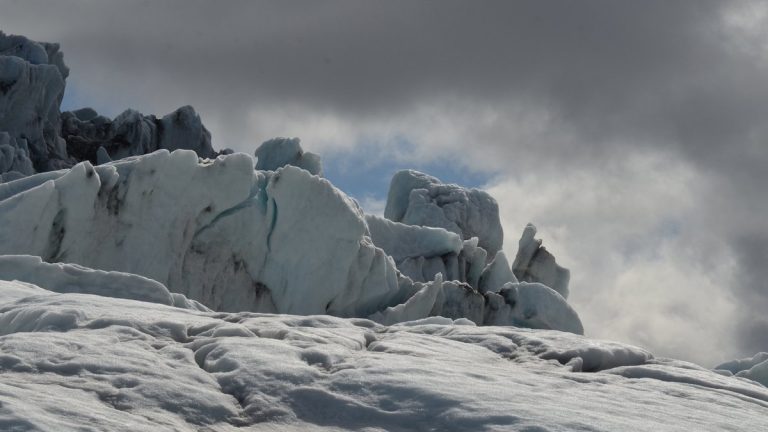
The Last Ice Area is one of the most important settings for this research. It lies along the northern coasts of Greenland and the Canadian Arctic Archipelago. Scientists expect this region to retain multiyear sea ice longer than other parts of the Arctic Ocean as warming continues.
That persistent ice has helped create unusual habitats. Along the edge of the remaining ice field are fjords, coastal bays, freshwater systems and ice-covered lakes. Some lakes remain capped by ice for long periods. Others have layered water columns with sharp differences in salinity, oxygen and light.
These conditions can isolate microbial communities for centuries or longer. In that isolation, viruses and hosts may adapt to highly specific local conditions. A freshwater lake under permanent ice can host a viral community with a different structure than a nearby marine fjord. Even within one lake, depth and chemistry can create separate viral niches.
For scientists, this makes the Last Ice Area a living archive. Its microbial and viral communities preserve traces of long-term cold adaptation. Sequencing those communities can help researchers see how giant viruses persist under stable freezing conditions and how they interact with hosts that have evolved in the same harsh environment.
The archive is biological rather than static. Viruses continue to infect, exchange genes and influence microbial populations. Each sample offers a snapshot of an active system that has been shaped by cold, darkness, salt, oxygen and isolation.
Why Warming Could Reshuffle Polar Life
Polar warming could alter the physical barriers that keep many of these systems distinct. When perennial ice thins or disappears, habitats that were once isolated can become connected. Freshwater systems may receive new inputs. Stratified water columns may mix. Glaciers and coastal margins can shift.
Those changes could reorganize polar microbial communities. New microbes may arrive, existing hosts may decline and viral communities may follow their hosts into new patterns. Because giant viruses often target microalgae and protists, any change in host abundance can change viral activity as well.
The stakes reach beyond the viruses themselves. Microbial ecosystems help regulate nutrient cycling and carbon movement in cold waters. If infection patterns change, the flow of organic matter through the microbial loop may change too. That could affect productivity in lakes, coastal waters and ice-associated habitats.
There are clear limits to what scientists can say today. DNA surveys can show that giant viruses are present and suggest what their genes may do. They cannot always prove the exact ecological outcome of a gene in a living polar system. More direct measurements will be needed to connect viral functions with bloom dynamics, nutrient release and long-term ecosystem stability.
Even with those limits, the emerging picture is striking. Giant viruses are part of the machinery that keeps polar microbial life moving. As the Arctic and Antarctic warm, understanding that machinery may become essential for predicting how some of Earth’s coldest ecosystems will change.