Explainer

RSS Feed
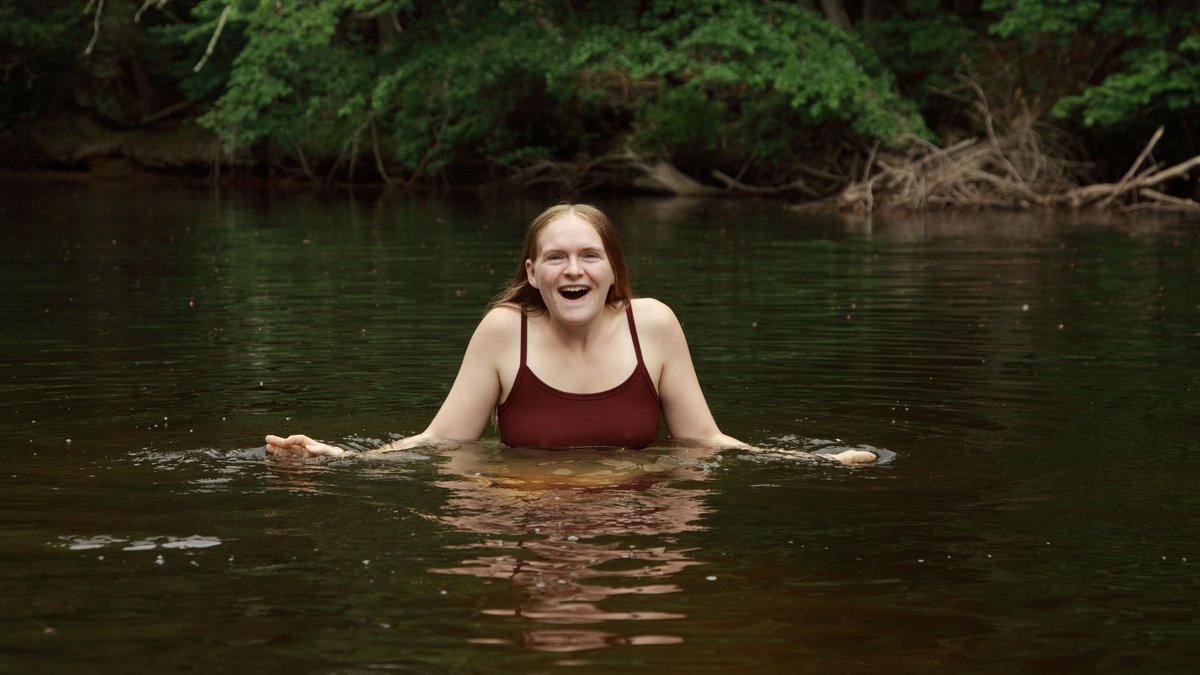
A woman swimming in a quiet lake surrounded by green vegetation

Researchers compared 1,200 outdoor swims across 19 countries and found wild water produced a stronger wellbeing boost than open-air pools, largely because natural settings supported autonomy and competence

A study of 1,200 outdoor swims across 19 countries found that time in wild swimming locations such as lakes, rivers and the sea was linked to a stronger boost in positive wellbeing than sessions in open-air pools. Both settings were associated with better mood and lower stress, yet the natural sites produced a clearer extra…
More

More in Explainer

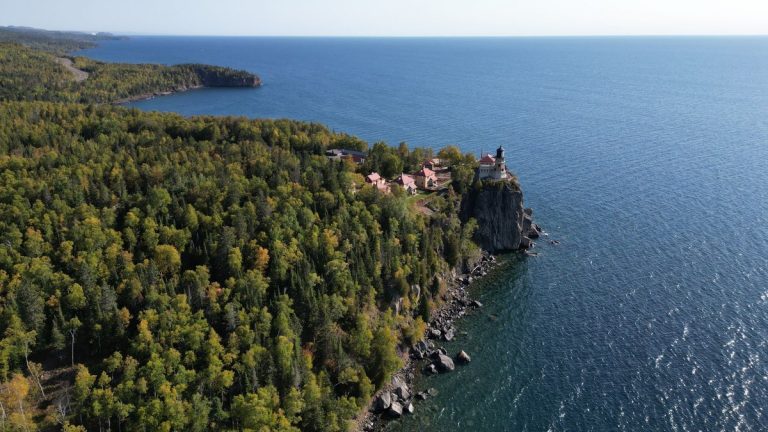
Split Rock Lighthouse above the forested shore of Lake Superior

People living near the North American Great Lakes had lower rates of anxiety and mood-disorder hospitalization, but the pattern weakened around smaller inland lakes, raising new questions about size, access and daily exposure

The Great Lakes already shape daily life for tens of millions of people through drinking water, transport and weather. A 2019 ecological study added another possibility to that list. It found that Michigan ZIP codes closer to a Great Lake tended to record slightly lower rates of hospitalization for anxiety and mood disorders. The same…

Aerial view of an amazing coastal town on a summer cloudy day. Top view of a town with many hotels, swimming pools, blue beautiful sea and clouds

Sixteen cancer patients completed 16 sessions of coastal walking, swimming and snorkeling on the Costa Brava, then reported less tension and anger with more energy, suggesting relief can begin far beyond the oncology clinic

Sixteen people living with cancer completed a 16-session program built around the sea and the clearest changes appeared in how they felt afterward. Their mood surveys showed lower tension and anger plus higher vigor after the blue-space sessions, giving researchers a concrete sign that a small coastal program may help patients recover moments of ease…

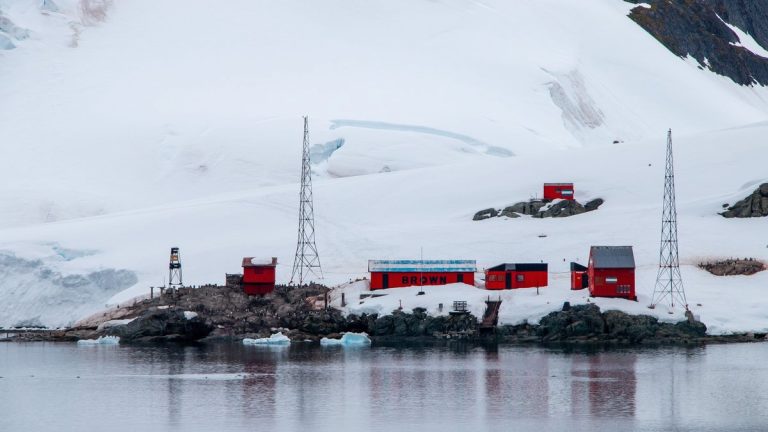
A red Antarctic research station surrounded by ice beside the sea

Thirteen men spent 13 months at Antarctica’s Concordia station, where polar night and thin air disrupted sleep and slowed reactions, revealing how people sharing the same Mars-like isolation can reach very different limits

Thirteen men lived through 13 months at Concordia station in Antarctica while researchers checked their sleep, fatigue, sleepiness and reaction speed every six weeks. The study found a broad pattern that Mars planners care about immediately: psychomotor speed dropped, sleep onset often lengthened and breathing during sleep showed strain linked to altitude. At the same…