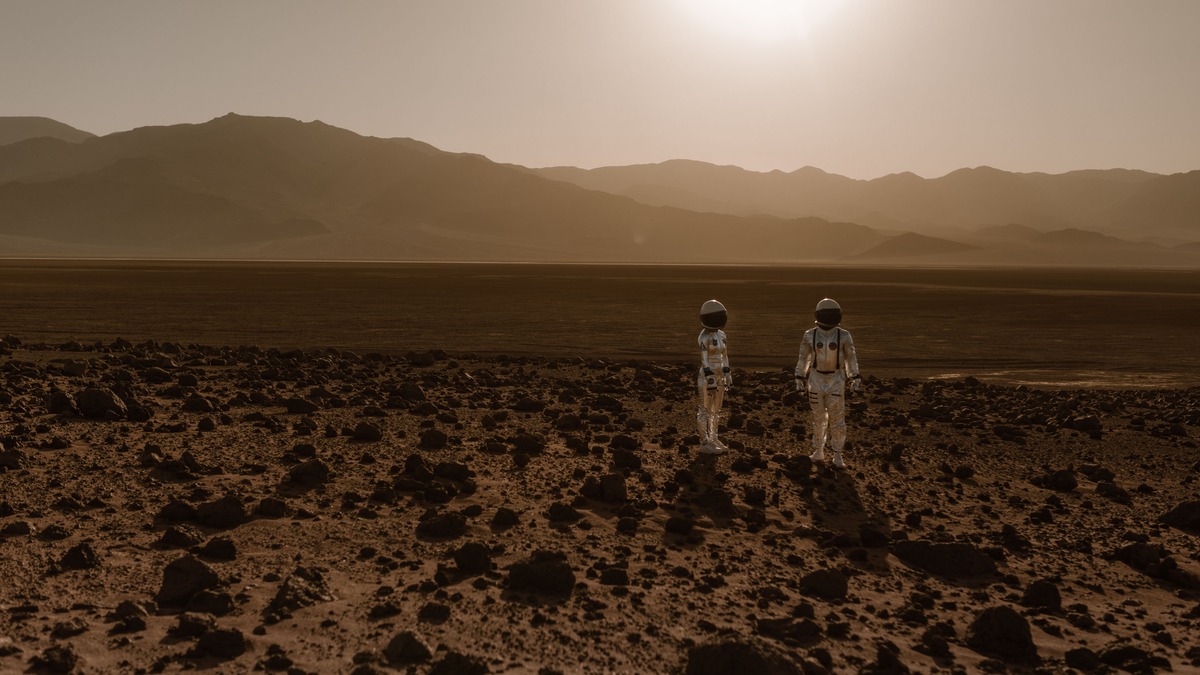
An 11-person Mars analog split between two villages produced a different social pattern than a standard 6-person mission, with 7 socioemotional traits changing by architecture while both simulations still improved 18 measures tied to well-being and function
Seven measured traits changed when researchers compared two very different Mars analog crews: one followed a more standard six-person, single-site design, while the other placed 11 participants in a dual-site mission with overlapping teams and more social roles. The result was not a simple victory for the larger group. Instead, the study suggests that mission…