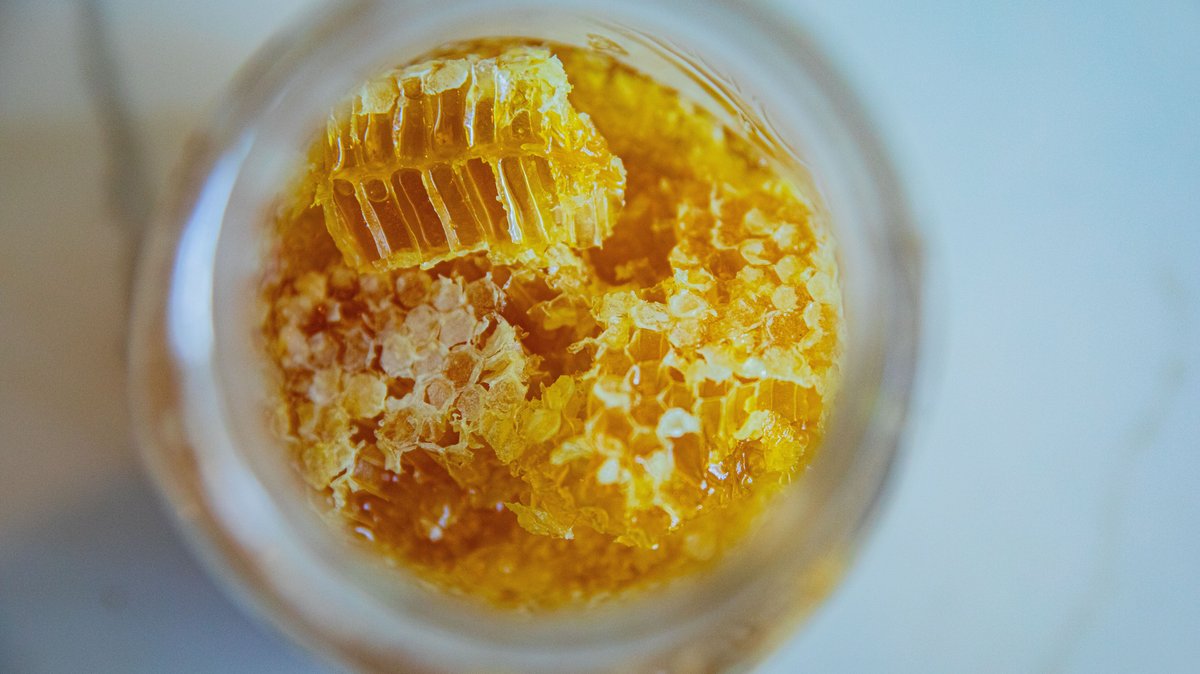
A 2025 Antibiotics review helps explain why honey can survive for extraordinary spans of time, including the famous stories of honey sealed inside ancient Egyptian tombs. The answer sits in a rare chemical combination, with dense sugar, little usable water, natural acidity and antimicrobial compounds added during the work of bees.
The legend of ancient Egyptian honey has become one of archaeology’s most irresistible food stories. A sealed jar, a pharaoh’s tomb and a substance that still looks edible after more than 3,000 years. The real science asks a sharper question. What makes honey so hard for microbes to ruin?
That question turns a pantry staple into a chemistry lesson. Honey looks simple on a spoon, yet it behaves like a hostile landscape for many bacteria and molds. Its preservation power begins before the jar is sealed, inside the hive, as bees transform watery nectar into a concentrated food built for long storage.
The Egyptian Tomb Honey Story
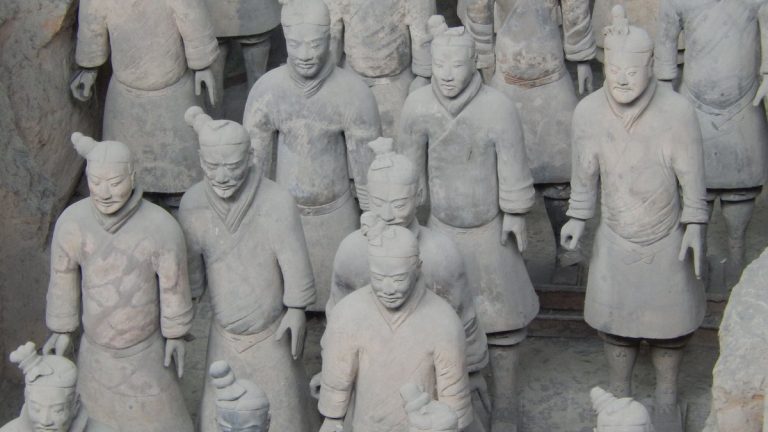
The Egyptian tomb tale has a long afterlife of its own. Howard Carter’s excavation of Tutankhamun’s tomb did include pottery jars labeled as honey of good quality. Those vessels helped fuel the idea that ancient honey could remain edible across millennia.
Later chemical work made the story more careful. Tiny dried residues from ancient vessels can change so much over time that familiar food tests give limited answers. Some famous samples once described as honey or syrup were later interpreted in other ways, including as highly acidic castor oil.
Still, honey clearly mattered in ancient Egypt. Tomb scenes and inscriptions show beekeeping, honey gathering, jar filling and sealing. Honey belonged to kitchens, temples, medicine and burial practice. Its presence in elite tombs fits a culture that packed the afterlife with food, oils, resins and luxury goods.
The deeper story is chemical persistence. Ancient Egyptian tombs could create rare storage conditions, especially when vessels were thick, sealed, dry and kept in darkness. In that setting, honey’s natural defenses had a chance to do what they do best, slow the biology of decay.
Why Sugar Stops Microbes
Honey’s first defense is its sweetness. Mature honey is packed with sugars, mainly glucose and fructose. That high sugar concentration creates a difficult environment for microbes that need available water to grow.
Water inside food can be present yet hard to use. Food scientists describe this as water activity. Honey has low water activity, which means bacteria and molds struggle to access the water they need for basic metabolism. The sugar holds onto water so tightly that many microbes are left chemically stranded.
This effect is driven by osmotic pressure. When a microbe lands in honey, the surrounding sugar-rich environment pulls water away from the cell. Many microbes lose the water balance they need to keep enzymes working and membranes stable.
That is why a sealed jar of honey behaves so differently from a bowl of fruit juice. Both begin with plant sugars, but nectar contains far more water. Bees reduce that water dramatically as they make honey. The finished food is dense, sticky and biologically unfriendly.
The paper describes honey as a natural product made by honeybees from floral nectar. That simple definition hides a major transformation. Bees take a fragile liquid from flowers and turn it into a durable store of energy for the colony.
Honey’s Acidic Defense
Sugar is only part of honey’s defense system. Honey is also acidic. Its acidic pH creates another obstacle for many organisms that would otherwise spoil food.
Most common food-spoiling microbes grow best in milder conditions. Honey pushes them into a harsher chemical zone. Acidity affects proteins, enzymes and cell membranes. For microbes already stressed by limited water, that extra pressure can be enough to stop growth.
The acidity comes largely from organic acids formed during honey production. Gluconic acid plays a central role. It forms when bee enzymes act on glucose, adding another layer to honey’s preservation chemistry.
This is why honey can sit on a shelf for years while many sweet foods spoil quickly. Jam, syrup, fruit and nectar can all contain sugars. Honey combines sugar concentration with acidity and other antimicrobial factors in a way that makes it unusually stable when stored well.
Storage still matters. If honey absorbs moisture from humid air, wild yeasts can gain an opening. A tight lid preserves the chemical balance that makes honey so durable.
How Bees Add Antimicrobial Chemistry
The strongest part of honey’s story happens inside the bee. Bees add enzymes during the conversion of nectar into honey. One important enzyme is glucose oxidase, which helps convert glucose into gluconic acid and hydrogen peroxide.
Hydrogen peroxide is familiar as a disinfecting compound. In honey, it appears at low levels, yet it can still contribute to antimicrobial activity. It adds oxidative stress for microbes already dealing with sugar pressure and acidity.
The Antibiotics paper sums up the point clearly: “The antimicrobial activity of honey is attributed to multiple mechanisms.” In other words, honey’s strength comes from chemistry acting in layers.
Some honeys contain additional compounds that matter. Plant-derived polyphenols can contribute antioxidant and antimicrobial effects. Certain honeys also contain methylglyoxal, especially Manuka honey and bee-derived peptides such as bee defensin-1 have been studied for possible roles in microbial defense and wound healing.
This complexity also explains why all honeys behave the same way only in a broad sense. Floral source, geography, processing, bee health and storage can all shape the final chemical profile. A jar from one plant landscape can differ from a jar made in another season or region.
Why Tombs Became Perfect Pantries
Egyptian tombs offered a powerful preservation environment. Many burial chambers were dry, dark and relatively stable. Those conditions favor long survival for materials that already resist microbial growth.
Sealed tomb vessels would have mattered greatly. A good seal limits moisture, oxygen exchange, insects, dust and new microbial contamination. Honey stored inside such a vessel would keep its water balance more effectively than honey left exposed.
Ancient Egyptians also knew the value of sealing materials. Clay stoppers, waxy coatings and carefully prepared containers helped protect oils, resins, perfumes and foods. They built storage systems around practical experience, long before modern chemistry gave names to water activity and pH.
Dryness is especially important. Honey is hygroscopic, which means it can pull moisture from the air. In a damp environment, that trait can become a weakness because extra water gives yeasts more room to ferment sugars. In a dry tomb, the same honey can remain concentrated.
Tombs also protected objects from light. Light and heat speed many chemical changes. Darkness slows the fading of some compounds, although centuries still leave their mark. A sealed tomb acts like an extreme archive, especially for substances already rich in natural preservatives.
What Ancient Honey Would Taste Like
Honey can last a very long time, but time still changes it. The most familiar change is crystallization. Honey is a supersaturated sugar solution and glucose can separate into crystals. A jar may turn grainy or solid while remaining usable.
Color can also deepen. Fresh honey ranges from pale gold to dark amber depending on its floral source. Over long storage, browning reactions and slow chemical shifts can move honey toward darker shades and caramel-like flavors.
Aroma would likely fade first. The delicate floral notes that make fresh honey distinctive come from volatile compounds. Those compounds are easily changed by time, heat, light and air. After centuries, the bright scent of flowers would give way to heavier sugar and resin-like impressions.
That matters for the tomb story. A sealed ancient sample might preserve recognizable honey chemistry, but it would carry the marks of age. Its texture, scent and taste would reflect long storage rather than a fresh harvest from the Nile Valley.
Safety deserves a careful word. Honey can contain spores of Clostridium botulinum, which is why health guidance keeps honey away from infants under one year old. Ancient samples also carry archaeological contamination risks. Museum artifacts belong in laboratories and collections, rather than on a spoon.
The Shelf Lesson From the Nile
The practical lesson begins at home. Honey’s shelf life depends on keeping its original chemistry intact. A clean jar, a tight lid and dry storage help preserve the low-water environment that blocks many microbes.
Crystallized honey can usually be returned to a smoother texture with gentle warming. High heat can damage flavor and enzyme activity, so slow warming works best. The goal is to loosen crystals while respecting the chemistry that bees built.
Modern medicine has also taken an interest in honey. Medical-grade honey is prepared and controlled for clinical use, especially in wound care. That material is distinct from ordinary kitchen honey because safety, sterility and consistency matter in healthcare settings.
The ancient Egyptian story remains powerful because it links human history with bee biology. Flowers fed the bees. Bees concentrated nectar and added enzymes. People sealed the result in jars. Dry tombs then protected the chemistry across a timescale that makes ordinary food storage feel tiny.
Honey’s endurance comes from a remarkable alignment of sugar, acid, enzymes and environment. The tomb legend draws attention because of its age, but the science is visible every time a forgotten jar waits patiently at the back of a pantry.