Explainer

RSS Feed
An aerial view of Wellington, New Zealand and its ocean waterfront at sunset

Four hundred forty-two adults in Wellington reported less psychological distress when more ocean was visible from home, and the association remained after income, housing, crime, deprivation and nearby green space were considered

A view of water from a living room window may do more than improve a skyline. In Wellington, New Zealand, researchers found that adults whose homes had wider views of the sea tended to report lower psychological distress than people with less visible water around them. The result came from a Health & Place study…
More

More in Explainer

Creative glowing polygonal brain on blurry city background. AI and future concept. Double exposure

Seventeen astronauts returned from about six months aboard the ISS, and MRI scans found a 1.5 percent decline in the left hippocampus, suggesting a memory center may respond to spaceflight stress faster than it changes during healthy aging

A half year in orbit changes far more than muscles and balance. A new astronaut brain study reports that 17 crew members who lived aboard the International Space Station for about six months came home with a measurable decline in the left hippocampus, a structure that helps support memory, spatial mapping and context. The research,…

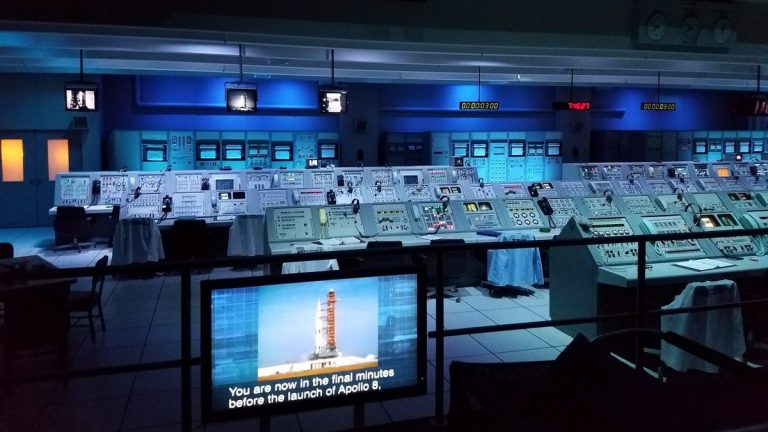
A mission control room filled with monitoring screens

Sixteen astronaut-aged volunteers worked four overnight space robotics sessions and low-dose caffeine improved vigilance while blue-enriched light shifted some EEG signs of sleepiness but still left later sleep under strain

Sixteen astronaut-aged volunteers went through a demanding lab schedule that copied part of spaceflight life: a week of short sleep, sudden flips into overnight work and repeated robotics sessions during the biological night. In that setting, the clearest boost came from low-dose caffeine. The stimulant improved reaction speed, cut long lapses in attention and helped…

An aerial shot of icebergs in Antarctica under cloudy sky

Twelve people wore proximity sensors through 10 months at Concordia Station and the closer they stayed inside Antarctica’s confined winter habitat the more conflict and suspiciousness rose, while daily contacts narrowed within national groups instead of spreading across the whole crew

Twelve crew members living through a 10-month Antarctic winter at Concordia Station gave researchers a rare look at what happens when a small team cannot get away from one another. Their study found a steady rise in loneliness and conflict, falling cohesion and self-rated performance and an unexpected pattern in the sensor data: people who…