A study in Nature found that tropical rainforest biodiversity in Ecuador’s Chocó region can return faster than many people might expect after farmland is left to regrow. The research, led by Timo Metz and a large international team, tracked life across abandoned agricultural land, recovering forest and old-growth rainforest.
The results point to a powerful recovery process. Within about 30 years, the researchers found that abundance and diversity had regained more than 90% of old-growth levels. Species composition reached about 75% similarity to old-growth forest conditions over the same period.
That finding carries a hopeful message for conservation. It also comes with a clear limit. Old forests remain essential because they supply seeds, shelter and animal communities that help younger forests recover.
Rainforest Life Returns Faster Than Expected
Rainforests hold a vast share of Earth’s species, even though they cover a relatively small part of the planet. When they are cleared for agriculture, the damage can look final. Trees vanish, soil changes and animals lose the places they use for food and nesting.
The Ecuador study shows how much life can return when disturbance stops. The paper’s abstract states that “Abundance and diversity regained more than 90%.” That recovery happened within a timescale close to a single human generation.
Still, recovery is uneven. A young forest can look green from above while still missing many old-growth species. Species composition recovered more slowly than abundance or diversity, which means the returning forest may contain many organisms while still having a different mix of species.
This distinction matters for restoration. Counting the number of species gives one view of recovery. Looking at which species are present gives a deeper view of how closely the ecosystem resembles an old forest.
What Scientists Measured in Ecuador
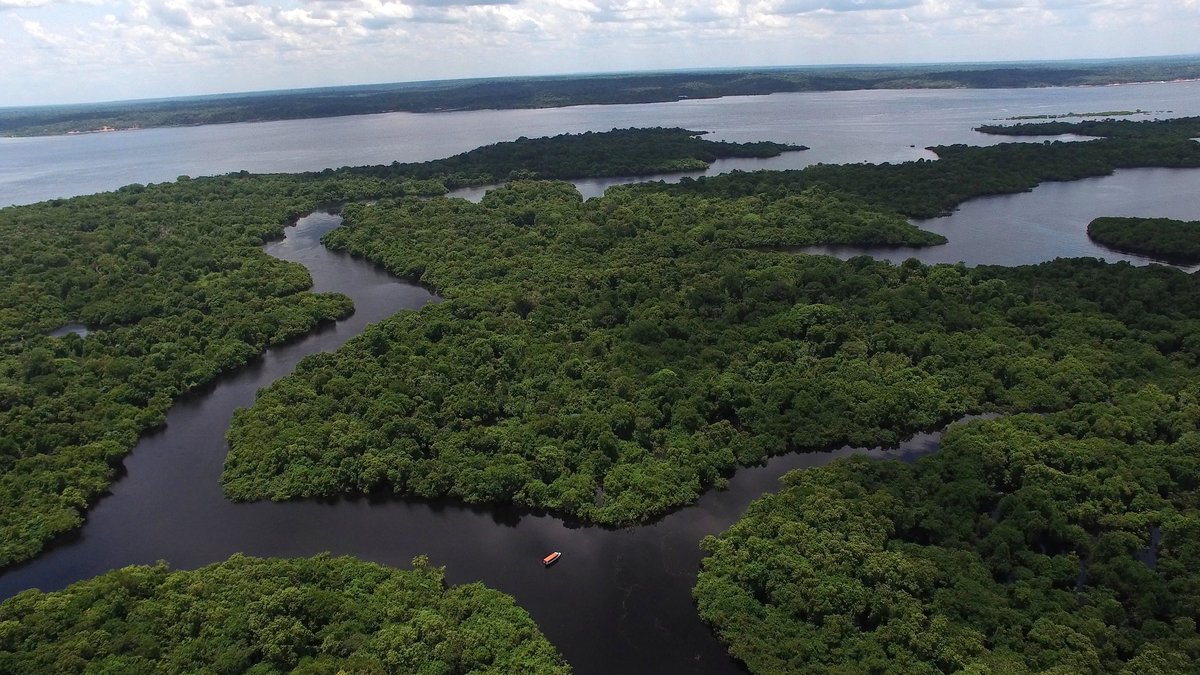
The research took place in the Chocó lowland rainforest of northwestern Ecuador. This region contains old-growth forest, secondary forest, active cacao farms, pasture and abandoned agricultural land at different stages of regrowth.
More than 30 research groups contributed to the work. Together, they examined 16 taxonomic groups, including plants, mammals, birds, bats, insects, amphibians and soil bacteria. The dataset covered 10,856 species or morphospecies, along with 23,590 bacterial sequence variants.
The team studied 62 areas across the landscape. That range allowed them to compare active farmland with forests that had been recovering for different lengths of time. It also gave the researchers a way to trace recovery as a sequence, from heavily altered land to older forest.
To make those comparisons, the scientists looked at three related measures. Abundance describes how many organisms are present. Diversity captures how many types of organisms occur and how evenly they are represented. Species composition asks whether the same kinds of organisms found in old-growth forest have returned.
This broader approach is important because rainforest recovery happens across many layers of life. Trees are only one part of the system. Soil microbes, pollinators, seed dispersers, predators and decomposers all shape whether a forest becomes a working ecosystem again.
Animals Help Rebuild the Forest
Animals play an active role in forest regeneration. Many trees depend on animals to move seeds away from parent plants. Other species rely on pollinators to reproduce. When those animals return, they help restart the biological processes that create forest structure.
Study co-author Nico Blüthgen described this chain of recovery in the source material. “The many rapidly returning animal species are not only beneficiaries of forest regeneration, but are also its key agents: bats, monkeys and other mammals, as well as birds, bring tree seeds back to the cleared areas; dung beetles bury the seeds in the soil; and hundreds of other animal species ensure pollination,” he said.
Birds and bats can travel across fragmented landscapes. That mobility gives them a special role in early recovery. They can visit old-growth forest, feed on fruit and carry seeds into abandoned fields where new trees can establish.
Dung beetles also help in a quieter way. By burying dung, they can move seeds into soil and improve conditions for germination. These small actions add up across a recovering landscape.
As plants return, they attract more animals. More animals then move more seeds and pollen. This creates a self-reinforcing process that can make recovery faster once the first stages are underway.
Why Some Species Recover Faster
Different groups return at different speeds. Mobile animals often rebound earlier because they can reach recovering sites from nearby forest. Birds, bats and some mammals can cross open areas more easily than seedlings or soil organisms can spread.
Plants face a slower path. A tree seed must arrive, germinate, survive competition and grow for many years before it changes the forest canopy. Large trees can take decades to develop the height and structure seen in older forests.
Soil bacteria and small invertebrates may follow their own timelines. Their recovery depends on soil conditions, moisture, leaf litter, plant roots and the gradual rebuilding of habitat. A field can gain new vegetation while its soil community is still changing.
The study also separates resistance from return rate. Resistance describes how well species survive disturbance in the first place. Return rate describes how quickly they come back after land use stops. The researchers found that return rates were especially important for explaining recovery times in species composition.
This helps explain why recovery can be both fast and incomplete. Some groups remain present through agriculture or return quickly from nearby forests. Other old-growth specialists need more time, more shade, more soil development, or more mature forest structure.
Pastures and Cacao Farms Follow Different Paths
The history of the land shaped how recovery unfolded. Former cacao farms and former pastures did not offer the same starting conditions for forest regeneration. Those differences influenced how quickly organisms returned.
Cacao farms often retain some trees. Those remaining trees can provide shade, perches, seeds and living roots. They also soften the transition between farmland and forest, which can help animals move through the landscape.
Pastures can be more difficult starting points. Thick grasses may cover the ground and block tree seedlings. Open conditions can also expose young plants to heat and drought stress. In these places, the first steps of recovery may take longer.
The Nature paper reported that many animal groups recovered faster in former cacao plantations than in pasture. This pattern suggests that land-use history should guide restoration decisions. A site with remnant trees may be ready for passive recovery, while a grass-dominated pasture may need more help.
That help could include protecting nearby forest, reducing repeated disturbance, or supporting the return of native plants. The study’s core message still emphasizes natural recovery, especially where old forest remains close enough to supply seeds and animals.
Old Forests Still Matter
The study’s hopeful results strengthen the case for protecting old-growth rainforest. Recovering forests need living sources of biodiversity around them. Old forests provide those sources.
Study co-author Martin Schaefer emphasized the practical value of this finding. “Our findings that 75% of species composition and 90% of species diversity return under their own steam within a single human generation show just how effectively we can protect nature,” he said.
Old-growth forests contain mature trees, complex canopies, deep shade, dead wood and stable microhabitats. Many species depend on those conditions. Some return slowly because young forests cannot provide the same structure at first.
These older forests also function as biological reservoirs. They hold seed-producing trees, pollinators, predators and seed-dispersing animals. When nearby land is abandoned, these organisms can spread into the recovering areas.
For that reason, forest protection and forest regeneration work together. Protecting remaining old-growth areas helps make natural recovery possible in the surrounding landscape. Losing those old forests would weaken the source communities that younger forests need.
Natural Regeneration as a Restoration Tool
Natural regeneration can be a cost-effective restoration strategy where conditions are suitable. The Nature paper concludes that “Natural regeneration through abandonment of agricultural land is a powerful restoration strategy.” In the Ecuador landscape, simply allowing land to recover produced strong gains across many groups of organisms.
This approach can be especially useful in landscapes with smallholder agriculture and nearby forest cover. In such places, animals can move between old forest and regrowing land. Seeds can arrive without large planting programs. Soil and shade can rebuild step by step.
Natural recovery still requires protection. If land is repeatedly cleared, burned, grazed, or converted again, young forests may never reach the stage where recovery accelerates. Time is one of the main ingredients in regeneration.
The study also supports a careful view of restoration targets. Regaining many species within 30 years is a major conservation gain. Full recovery of old-growth composition can take much longer, especially for slow-growing trees and specialized organisms.
For policymakers and conservation groups, the message is practical. Protect old forests, reduce pressure on recovering land and let natural processes do more of the work where they can. In the Chocó rainforest, that combination allowed life to return with remarkable speed.