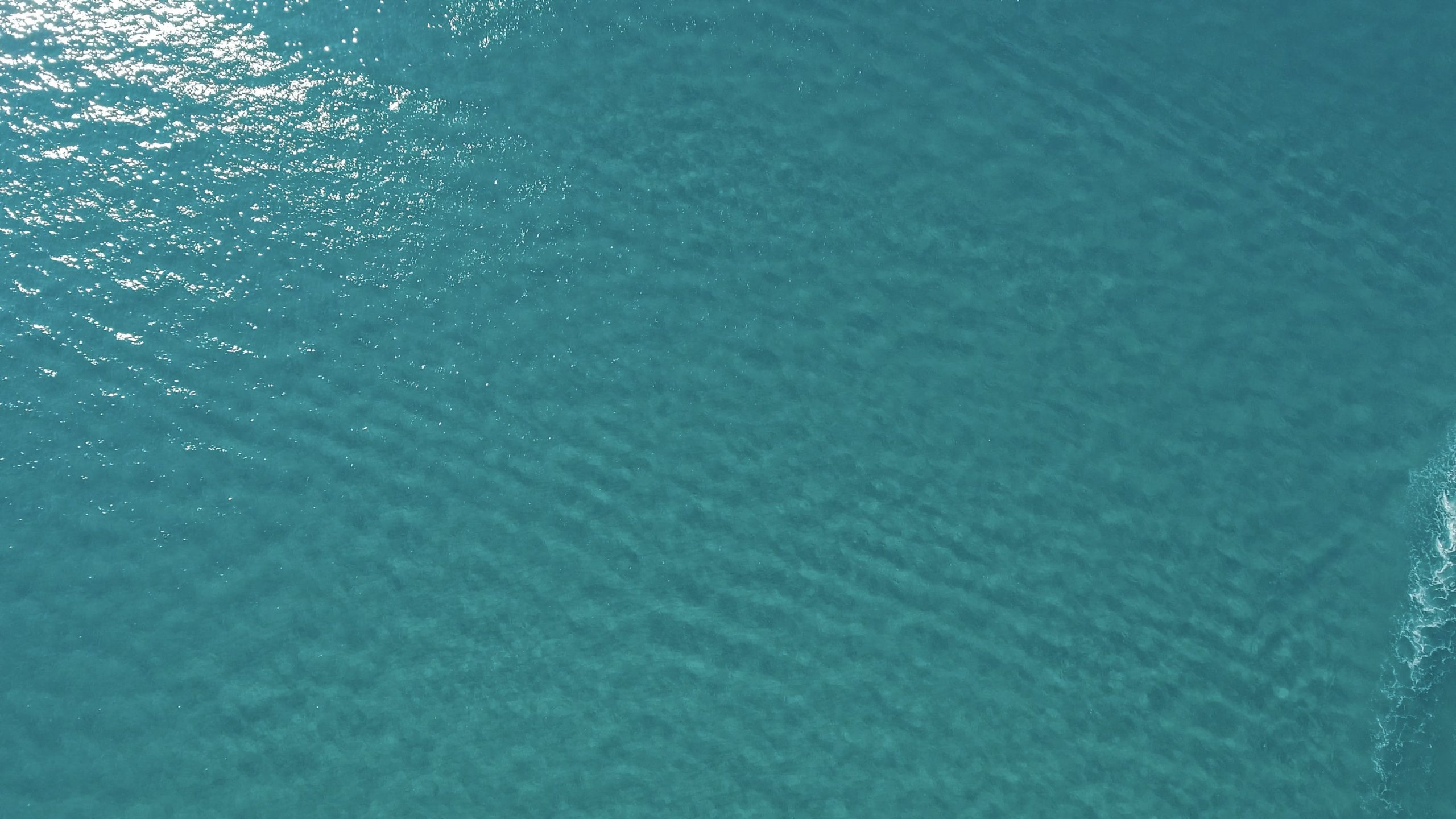
Every day, the planet runs a huge exchange program at the sea surface. Carbon slips out of the air, into the ocean, back to the air again and onward through currents, chemistry and living things. The motion is invisible, though its effects reach from climate to coral reefs to the fish on dinner plates.
The ocean has been taking in a large share of the carbon dioxide people add to the atmosphere. That helps slow the warming of the atmosphere. It also changes seawater itself, which is why ocean acidification has become one of the central concerns of climate science.
To follow that carbon, it helps to picture the ocean as both skin and depth. The thin top layer meets the wind and weather. Far below, dark waters can store carbon for years, centuries, or longer. Between those places, carbon keeps moving.
Carbon Leaves the Air
At the simplest level, carbon dioxide moves into the ocean because the air above it contains a lot of it. Molecules are always bouncing around. When the concentration in the atmosphere rises, more of those molecules strike the sea and dissolve into the surface ocean.
That transfer happens at the boundary between air and water, a place so thin it almost feels abstract. Yet it matters enormously. A tiny difference in conditions at that skin can change how much carbon crosses from one side to the other.
Once carbon dioxide dissolves, the water near the surface holds it in several forms, which helps keep the exchange going. The ocean is never acting as a single still container. Waves, seasons and currents keep resetting the surface and opening room for more carbon to enter.
Even so, the process is not equally strong everywhere. Some places pull carbon down quickly. Others send it back up. The global picture comes from all those local trades added together, hour by hour, basin by basin.
A Nature study showed how sensitive these estimates are to the very top of the sea. The researchers found that small temperature differences near the surface can shift calculations of the global carbon sink and in some cases make the ocean’s uptake appear larger than older estimates suggested.
Cold Water Pulls More In
Cold water has a useful talent here. It can hold more dissolved gas than warm water can. That means chilly seas at higher latitudes usually have a stronger grip on atmospheric carbon dioxide, especially when the surface is cooling.
Think of it as a kind of chemical hospitality. In colder conditions, carbon dioxide settles into seawater more readily. That gives polar and subpolar regions an outsized role in drawing carbon out of the air.
Season by season, this can shift a lot. In winter, surface waters cool, become denser and often mix more deeply. Fresh water from rain or melting ice can also shape what happens next by changing how layers stack and how easily deeper waters connect with the top.
Warm tropical waters behave differently. They tend to hold less dissolved gas, which makes it easier for carbon dioxide to escape back into the atmosphere. Temperature alone doesn’t decide everything, though it sets the stage for much of the global pattern.
That is one reason scientists watch cold regions so closely. They are powerful doors into the ocean interior. Once carbon enters there and the water sinks, it can be carried away from the atmosphere for a long stretch of time.
Wind Opens the Door
When winds pick up, the sea surface gets rougher. Waves break. Tiny bubbles churn through the upper layer. All of that raises the contact between air and water, which can speed up air-sea exchange.
On a calm day, the top of the ocean can act more like a thin lid. Movement still happens, though slowly. Strong winds tear up that quiet surface and keep the upper ocean mixed, so fresh water reaches the top and takes part in the swap.
Storms can matter a great deal. They push surface water around, deepen the mixed layer and can briefly increase how fast carbon crosses the boundary. In places with frequent winds, that effect adds up over the year.
There is another side to that stirring. Winds can also pull deeper water upward. If that water is rich in dissolved carbon, it may feed carbon dioxide back to the atmosphere once it reaches the light and warmth of the surface.
So wind works like a gatekeeper with more than one key. It can help the ocean absorb carbon. It can also expose stored carbon to the air again. The result depends on the region, the season and what kind of water is being moved.
Across the globe, scientists fold wind speed into their flux estimates because it shapes how quickly gases move. A breezy sea and a quiet sea can tell very different carbon stories, even under the same sky.
Chemistry Holds Carbon in Seawater
Once carbon dioxide enters seawater, it does not stay in a single form. Some remains as dissolved gas. Some reacts with water and becomes carbonic acid. Much of it then shifts into bicarbonate, with a smaller share ending up as carbonate.
This seawater chemistry is one of the ocean’s great strengths. By converting dissolved carbon dioxide into other forms, the ocean keeps the concentration of free CO2 at the surface lower than it would otherwise be. That opens space for more carbon to come in from the air.
The process acts like a flexible holding system. Carbon can be parked in the ocean in forms that are less eager to jump straight back into the atmosphere. That is part of why the sea has been able to absorb so much human-produced carbon over the industrial era.
At the same time, this comes with a cost. As more carbon dioxide dissolves, seawater grows more acidic. The shift is modest on the pH scale, though marine life can feel it sharply, especially organisms that build shells or skeletons from carbonate minerals.
That tension sits at the heart of the story. The chemistry that helps the ocean take up carbon also drives ocean acidification. The sea is buffering the atmosphere and paying part of the bill in its own changing waters.
Life Carries Some of It Down
Sunlight reaches only the upper layer of the ocean, yet that bright skin hosts an immense living engine. Tiny drifting organisms called phytoplankton use carbon dioxide during photosynthesis. They turn dissolved carbon into living matter and they form the base of marine food webs.
Some of that carbon is eaten quickly. Zooplankton graze on plankton. Fish eat smaller creatures. Bacteria recycle what they can. Even in that busy churn, a portion of the carbon begins moving downward as sinking bits of dead cells, waste pellets and clumps of organic debris.
Scientists call this the biological pump. It sounds mechanical, though it’s built from life. Surface organisms grab carbon in the sunlit zone and gravity helps send part of it into deeper water where it can stay out of touch with the atmosphere for long periods.
Shell-building creatures add another pathway. Some marine organisms make hard parts from calcium carbonate. When those shells sink and dissolve, or reach the seafloor, they move carbon through a slower and more complex route. The chemistry can vary from place to place, especially with depth.
In many regions, only a small fraction of surface production survives the trip downward. That small fraction still matters. Over vast ocean areas and long spans of time, it contributes to deep ocean storage and helps shape the planet’s climate balance.
Life’s role also helps explain why two patches of water with similar temperatures can behave differently. Biology changes surface carbon levels and that changes how strongly the ocean pulls from the air above it. That influence runs deeper than the sunlit zone where it begins.
Some Regions Send Carbon Back Up
Near the equator and along some coasts, the ocean gives the carbon back. Winds and currents sometimes draw up deep water that carries a heavy load of dissolved carbon. When that water reaches the surface, some of the carbon dioxide escapes into the atmosphere.
These upwelling zones are among the most dynamic parts of the carbon cycle. They often support rich marine life because deep water also brings nutrients. The same process can feed plankton blooms and release carbon, sometimes in the same stretch of sea.
Warm waters add to the effect. Because they hold less gas, they are quicker to let carbon dioxide go. That is why many tropical regions act as weaker sinks, or as sources, compared with colder parts of the ocean.
Local geography matters too. Coastal shelves, river plumes and enclosed seas each behave differently depending on their depth, flow and biology. In some places, biological activity pulls carbon down strongly. In others, respiration and mixing raise surface CO2 and push it outward.
The map of ocean carbon exchange is always moving. A region that absorbs carbon in one season may release some in another. The whole system works as a shifting patchwork rather than a single steady flow.
How Long the Ocean Can Keep Helping
The big picture is clear. The ocean has been absorbing a significant share of the carbon dioxide people put into the atmosphere and that has softened the pace of warming in the air. Researchers at Nature Communications have also shown how important the Southern Ocean is, because waters there can take up carbon and carry it into the interior.
Still, the future depends on limits as well as capacity. As the planet warms, surface waters warm too. Warm water holds less dissolved gas. Stratification can also strengthen, which means the top layer mixes less easily with the colder depths below. That can make it harder for the ocean to keep drawing carbon down efficiently.
Some scientists worry about exactly that slowdown in key regions. If the surface and deeper ocean become more separated, carbon taken up at the top may stay closer to the atmosphere instead of being tucked away. That would weaken one of Earth’s most valuable climate services.
Rik Wanninkhof, an oceanographer quoted by NOAA, put the issue plainly. A key question, he said, is whether this uptake “can be sustained.” That short sentence captures the challenge. The ocean has helped a great deal and its ability to keep doing so is one of the most important numbers in climate science.
There is also a practical reason to pay attention beyond global temperature. Richard Feely of NOAA has warned that the growing load of carbon in the ocean interior is already affecting shellfish in some regions. The carbon exchange between air and sea reaches all the way to fisheries, coastal jobs and food systems.
For now, the ocean remains a vast moving archive of human emissions. It takes carbon in through cold waters, windswept surfaces and chemical reactions that begin in the first thin film of the sea. It sends some back through warmth and upwelling. It buries some through sinking water and the work of life. That restless cycle helps shape the climate every day.